 Tonny Makar
 A tan may seem like a normal tan- but in the real sense, it is your skin in response to stress. It is no indication of good health that people strive to obtain that golden color every summer it is merely a visible reaction to harm. As soon as your skin is exposed to UV rays, it begins to fend off UV rays. You do not feel it immediately; you do not look and see everything that is happening under—but changes start immediately. The radiance dies away within days, yet what goes on under the surface may take longer. Tanning no longer seems harmless to you when you learn how to do it.
Your Skin Goes Into Defense Mode

Protect yourself, that is the first thing that your body does. Skin cells begin to produce more melanin, which is the coloring pigment. This melanin flows to the surface to prevent further penetration of UV. It is just that the darker the color you are, the more your skin is trying to protect itself, even more. Not improvement, but defense.
UV Rays Penetrate Deeper Layers

As the surface is becoming colored, UV rays are penetrating deeper levels of the skin. These rays may interfere with the normal functions of the cells and lead to damage in the long run. It may not come out at first glance but with repetition, it becomes cumulative. This is the beginning point of long-term skin problems.
Collagen Slowly Breaks Down
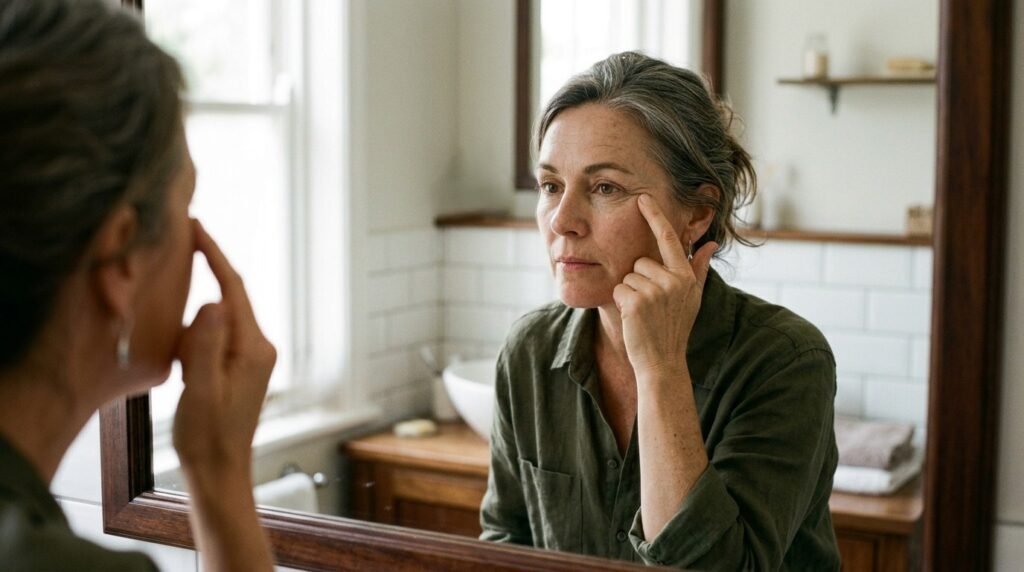
Collagen is the reason that your skin is smooth and firm. With exposure to UV, these fibers become weak by strength. This causes fine lines, slack texture and aging as time passes. Although you may have glowing skin, changes are already happening inside you.
Uneven Pigmentation Starts Forming
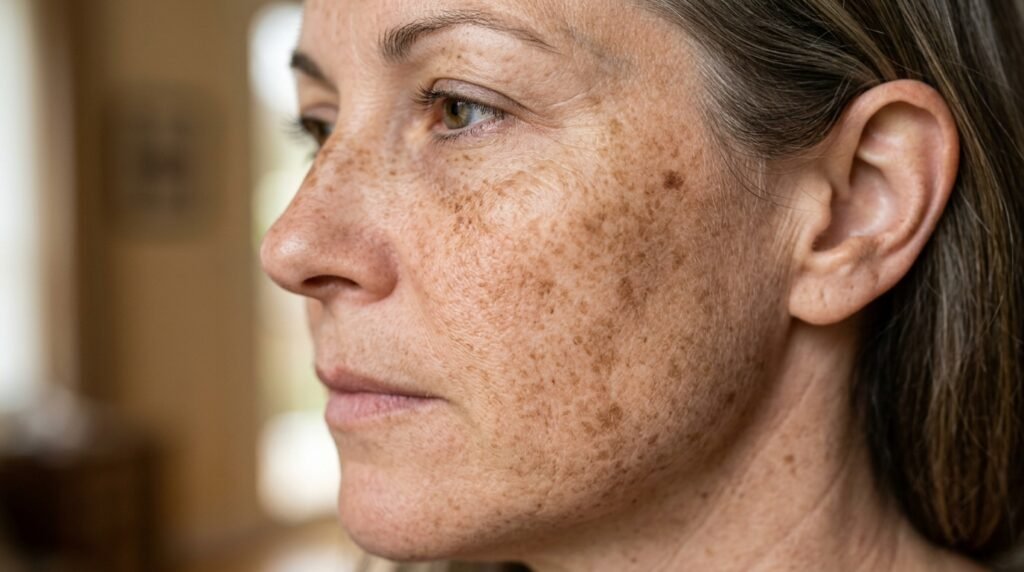
Tan does not necessarily go away. There are dark spots or patches in some skin areas containing more pigment than others. This uneven tone is accentuated with time. What begins as a glow may develop into discoloration, which cannot be fixed easily.
Your Skin Loses Moisture
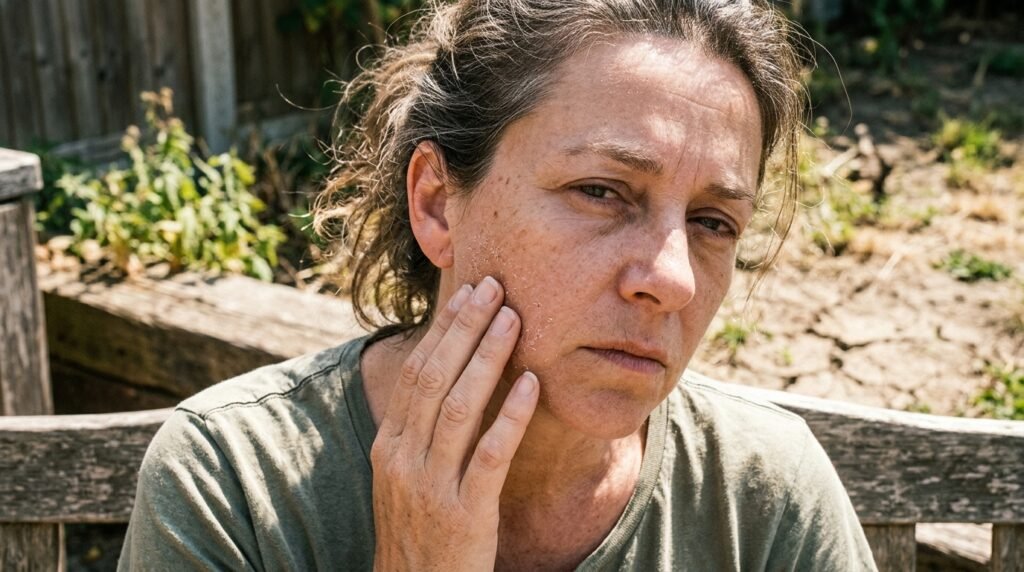
Exposure to the sun lowers the natural levels of hydration of the skin. The external layer dries up, making the skin rough or hard. The tan quickly fades away leaving dull skin, which is usually dehydrated, losing the temporary tan very quickly.
Sensitivity Increases After Tanning
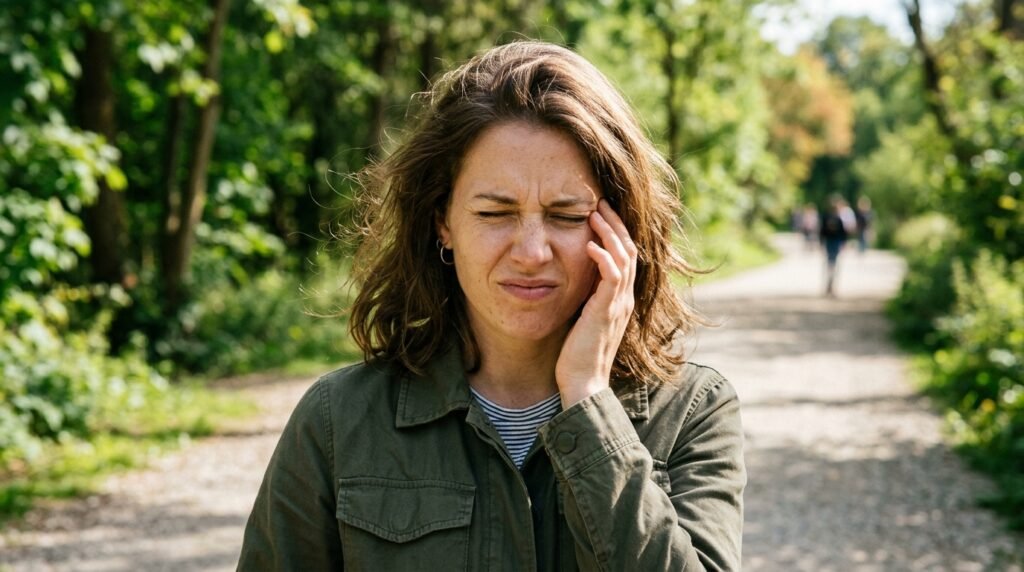
Your skin becomes hypersensitive after being exposed. It can be irritated or react very strongly to products that, otherwise, are okay. This sensibility is an indicator that you have damaged your skin barrier and you must wait to get it back.
The Glow Doesn’t Last

The tan you see is temporary. With the renewal of your skin, the color dies. And the internal effects do not fade away so fast. This leads to a vicious cycle as people will continue to tan to sustain the appearance, causing further damage as time goes by.
Repeated Tanning Speeds Up Aging

Cosmetic tanning increases the appearance of aging. Facial lines appear earlier, skin becomes non-elastic, and its texture becomes uneven. All these changes accumulate gradually; that is why not all individuals relate them to sun exposure initially.
Protection Makes The Real Difference
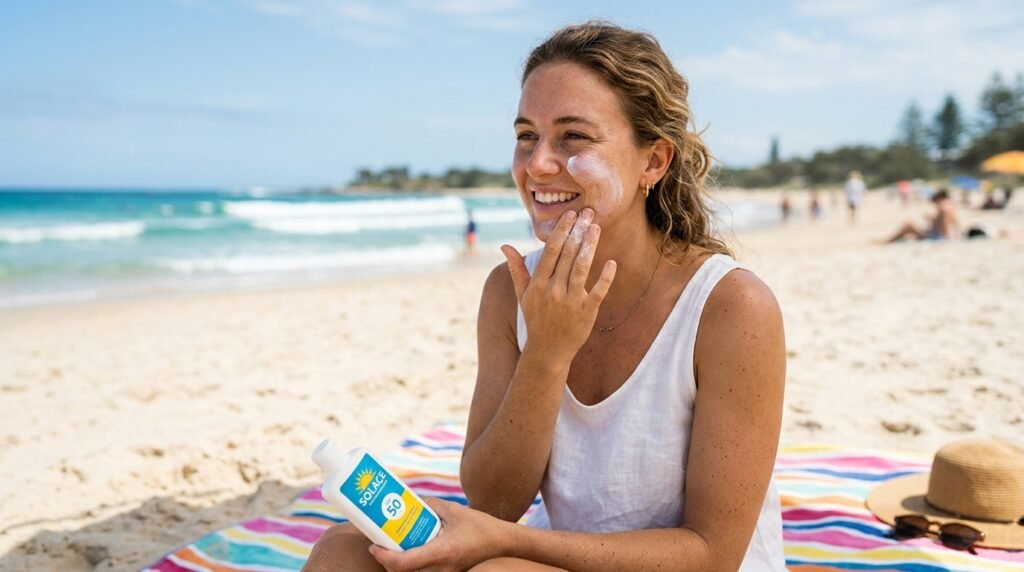
Learning about tanning will alter your attitude towards skincare. Sunscreen, hydration and repair-based products are used daily to ensure that your skin is not harmed in the long-term. It is always easier to prevent than to reverse the impacts later.