 Maddy Kaur
 For years, the bathroom shelf was a monument to overconsumption: exfoliating toners, clarifying serums, acne moisturisers, retinols, all stacked in the name of fixing skin that, in hindsight, only kept getting worse. The turning point came quietly, through a dermatologist’s offhand remark that a good skincare regimen really only needs four things: a cleanser, a serum, a face cream, and SPF. Stripping back years of overbuying to just those essentials is, as Vogue’s beauty writer discovered, not a compromise. It is the actual cure. Here is how and why the simplified approach works so well, step by step.
The Problem: More products are making your skin worse

There is no acceleration of results when skin is loaded with a combination of actives. It undermines the skin barrier which causes the skin to be reactive, oilier and prone to blemishes than ever. The more layers of products you apply, the less you are able to know what step is actually doing anything useful. Streamlining is not laziness; it is the more intelligent scientific attitude to skin health.
The Rule: Your skin only needs four products

A cleanser, a serum, a face cream, and SPF. According to the dermatologist advice at the heart of this routine, these four steps cover everything skin genuinely needs. They address cleanliness, targeted treatment, moisture retention, and UV protection. Everything else on the market is either a bonus or a duplication of one of these four roles.
Step 1: Skip the morning face wash and use micellar water instead

The French approach to morning cleansing uses micellar water rather than a full wash-off cleanser, keeping skin soft and balanced without stripping its natural oils. A gentle sweep removes overnight residue without disrupting the skin barrier. It is a quieter start that prepares skin better for the products that follow throughout the day.
Step 2: Double cleanse at night, slowly and properly

The importance of a proper double cleanse cannot be overstated at night compared to any other step in the routine. The initial step using oil-based cleaner removes makeup, SPF and surface-level dirt. The second is a hydrating wash that rinses anything that remains and makes the skin ready to take in what is to be followed completely. Hurrying this point defeats all that comes after it.
Step 3: Use one serum that targets your actual concern
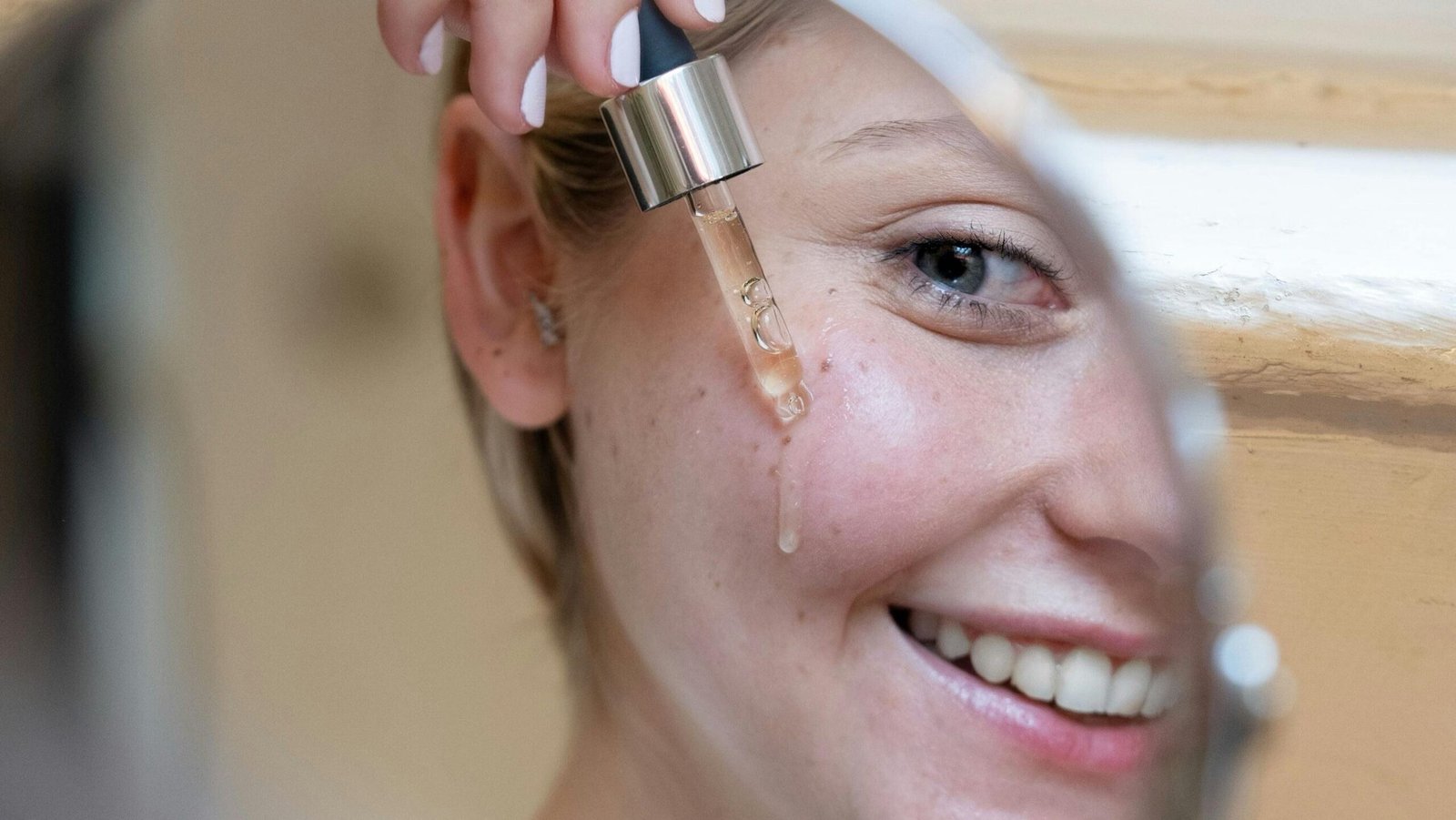
The switch from multiple serums to a single well-chosen one is where the biggest visible improvements often happen. A vitamin C serum in the morning targets brightness and environmental protection, while a retinol at night addresses texture, tone, and fine lines. Using one active at a time allows skin to respond without becoming overwhelmed or sensitised.
Step 4: Let moisturiser seal everything in, not fix everything
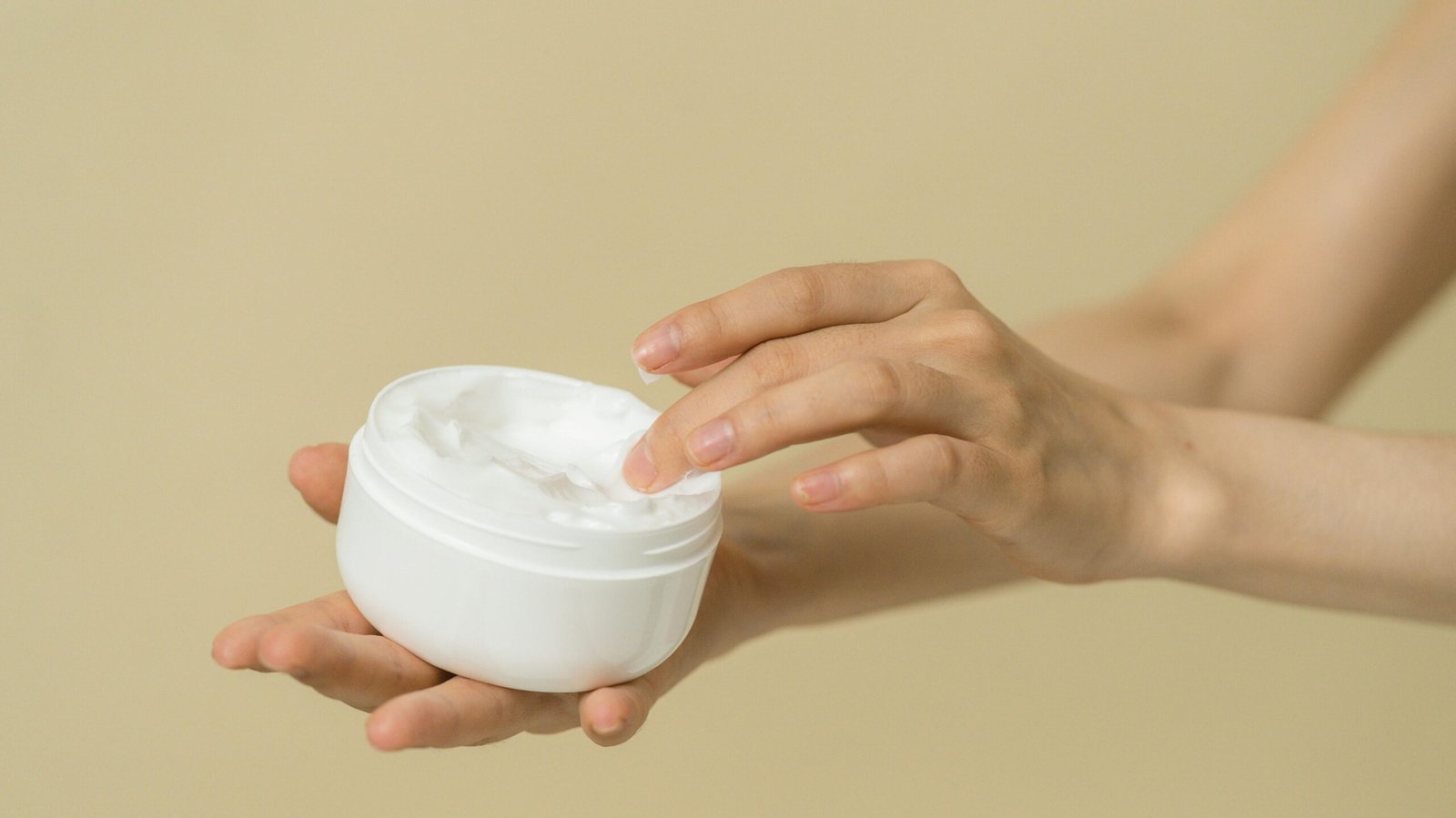
A moisturiser does not need to be expensive or packed with actives. Its role is to lock in the benefits delivered by the serum beneath it and to reinforce the skin barrier with ingredients like ceramides, peptides, and hyaluronic acid. A richer cream at night and something lighter in the morning is all most skin types genuinely require.
Step 5: Never skip SPF, not even on cloudy days

Eighty per cent of visible skin ageing is caused by environmental and lifestyle factors, with sun exposure at the top of the list. A broad-spectrum SPF 50 applied every morning, regardless of the weather, is the single highest-return investment in any skincare routine. It must be the final morning step and applied as its own dedicated product.
Night Routine: Swap your morning serum for retinol
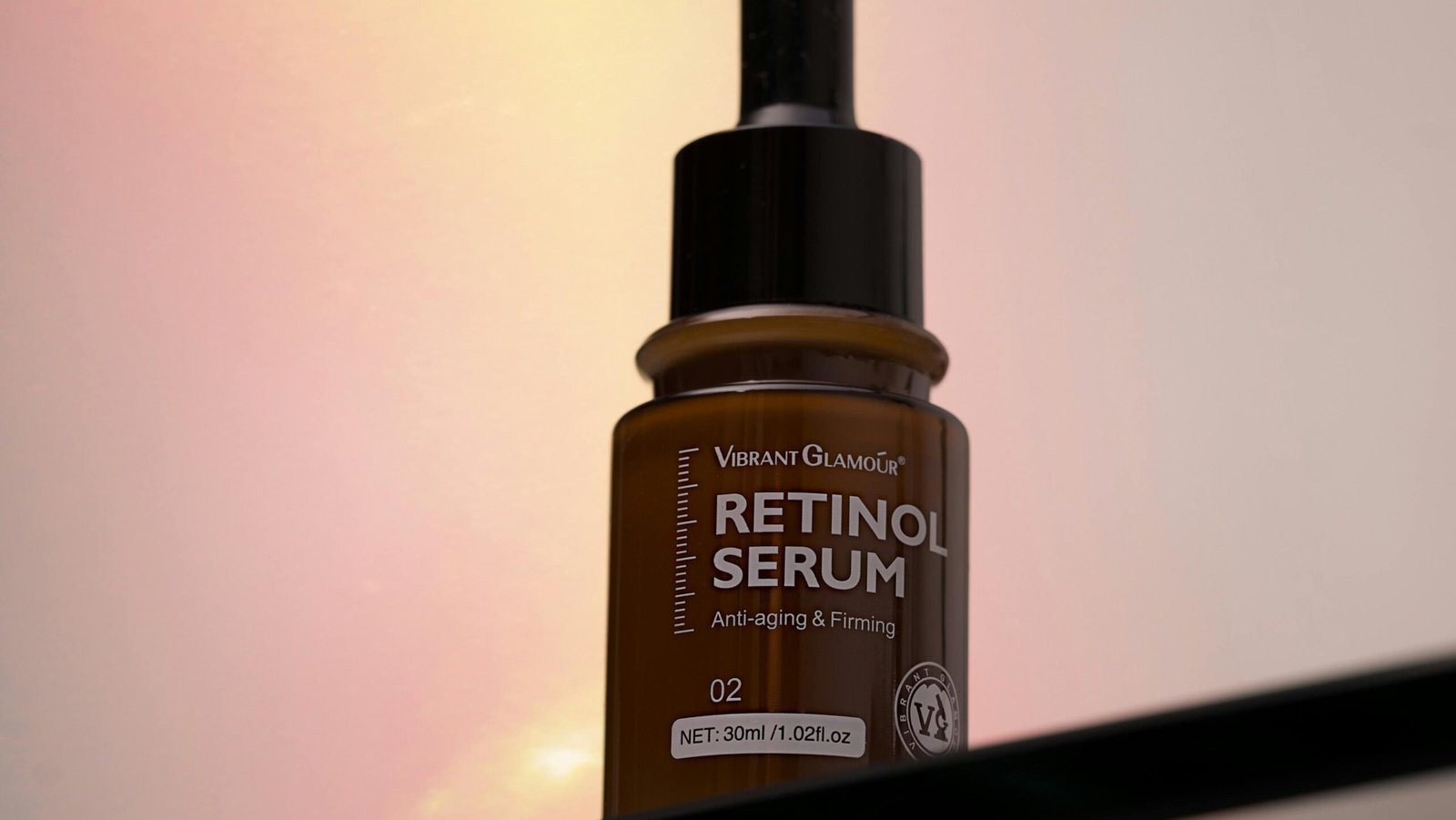
At night, skin goes into repair mode and cell renewal accelerates significantly. Swapping the morning serum for a retinol or an exfoliating treatment, sandwiched between a toner and a rich moisturiser, gives those actives the uninterrupted time they need to work properly. Keeping the rest of the routine identical to daytime means fewer decisions and less over-layering.
The Result: Less really does give you more

Within weeks of stripping back to four steps, skin that had been reactive, oily, and tender began to settle. Blemishes reduced, oiliness calmed, and the general tenderness that came from constant chemical exposure faded. The skin barrier, given space to rebuild rather than constantly defend itself, responded exactly the way all those extra products had always promised but never delivered.