 Tonny Makar
 America’s national parks are experiencing a resurgence in popularity, attracting a more discerning tourist looking to escape the crowds at the country’s most notorious destinations. While Yellowstone and Yosemite often steal the spotlight, smaller parks offer their own stunning landscapes, remarkable biodiversity, and rich cultural histories, providing an authentic experience without the bustling crowds. From the pristine wilderness of Alaska to the subtropical waters of Florida, these lesser-known parks are becoming increasingly favored for their genuine charm and affordability, along with their expansive natural settings. Here are the ten most visited national parks in America today.
Cloud Peak: A Journey to Wyoming’s Majestic Summit
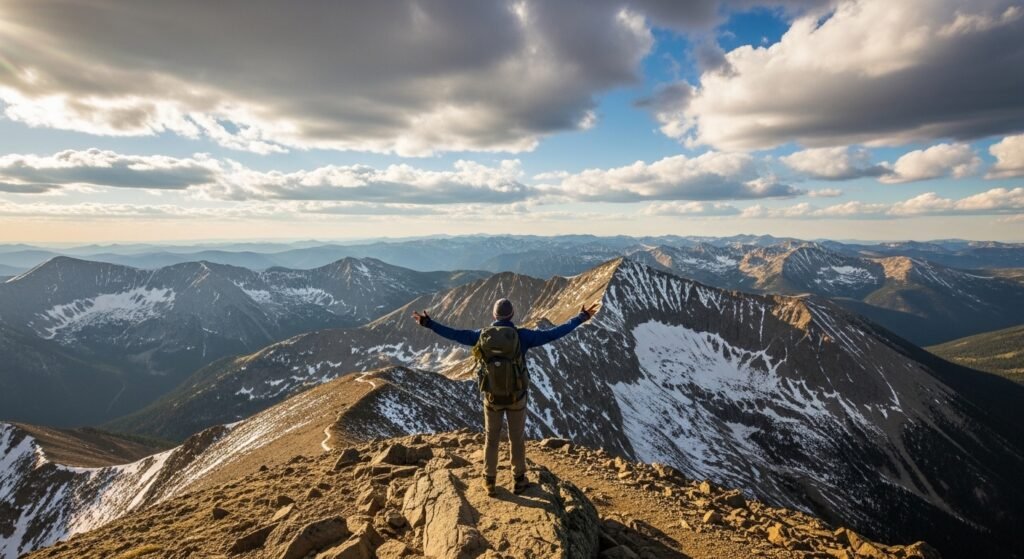
Blum et al. (2016) noted slight elevation declines in the Great Regression, followed by a sharp rise in data indicating high serial regressions and an elevated R-squared compared to the early 1990s. Great Basin National Park, the least-visited in the U.S., is in eastern Nevada and has 4,000-year-old bristlecone pines, marble Lehman Caves, and Wheeler Peak (13,065 feet). It’s an International Dark Sky Park, perfect for stargazing.
National Park North Cascades (Andrea, Washington)
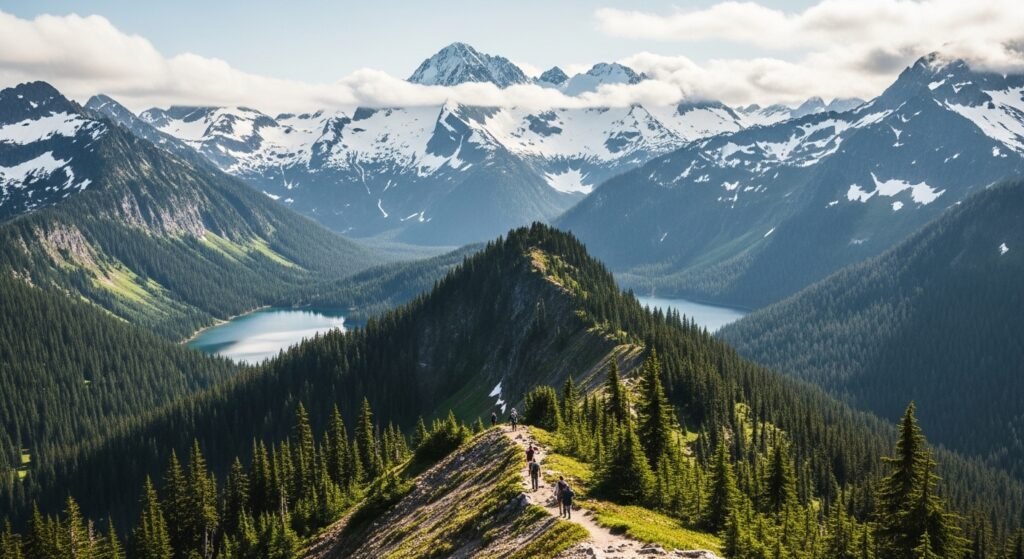
Mount Rainier has not been unfaithful to his share of the affections of other beautiful objects in the North Cascades National Park, which is an alpine fairyland. Nevertheless, even with this attribute, it is one of the least visited national parks in the contiguous United States, and that is the reason why it is popular with hikers who wish to spend some spare time trying to admire the scenery of mountains that are ideal.
Congaree National Park (South Carolina)
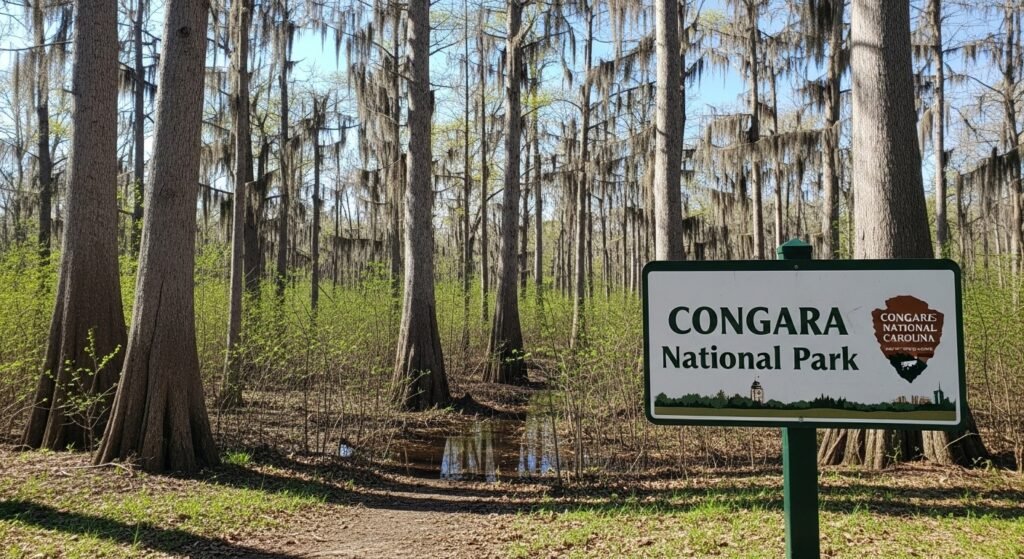
Congaree National Park has the largest block of remaining old-growth bottomland hardwood forest on the southeastern side of the U.S. The trees are glowing upon it, and it belongs to the finest world canopy. Boardwalk hiking trails give people an opportunity to observe wetlands rich in biodiversity, and kayaking on Cedar Creek is a good and relaxing experience in this highly diverse floodplain ecosystem.
Guadalupe Mountains National Park (Texas)
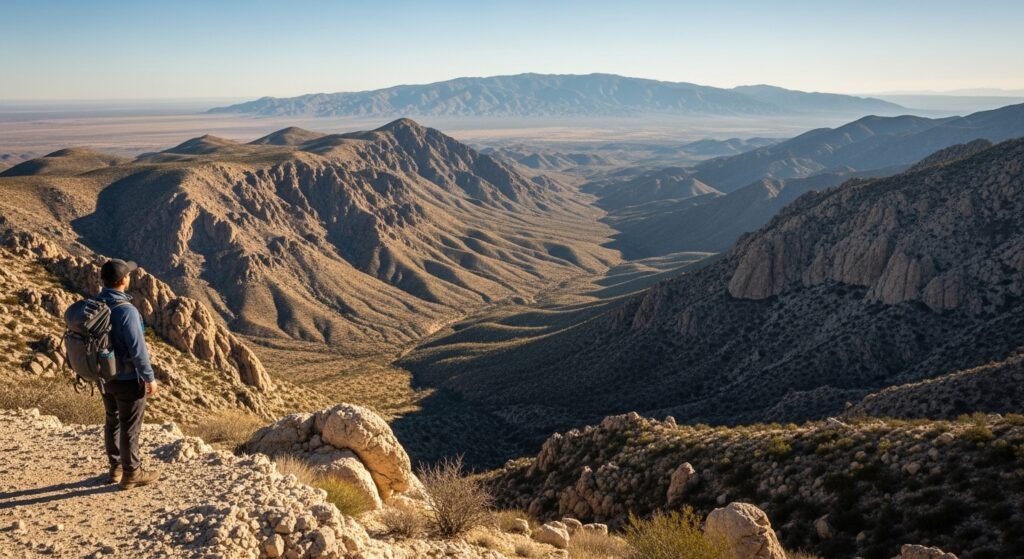
The Guadalupe Mountain National Park, dispersed across the Texas highland, has magnificent deserts and fossil reefs that date back to 260 million years. Hikers can choose between Guadalupe Peak and McKittrick Canyon, known for its stunning fall foliage. The neighboring park offers more trails than Carlsbad Caverns, showcasing the Chihuahuan Desert.
Isle Royale Educational Preserve (Michigan)
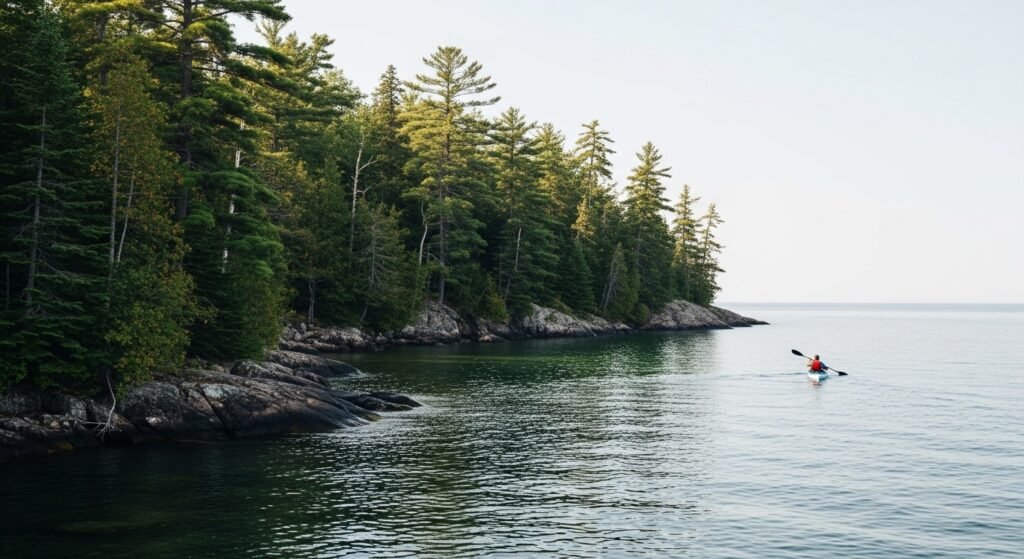
Isle Royale National Park is a site situated in the northwest of Lake Superior and could only be accessed using a boat or seaplane. Island Park is a significant research site for studying wolf and moose populations, recognized as one of the longest wildlife studies globally. Isle Royale lacks vehicles and all these facilities and therefore is an ideal hideout spot amongst kayakers and packers.
Channel Islands National Park (California)
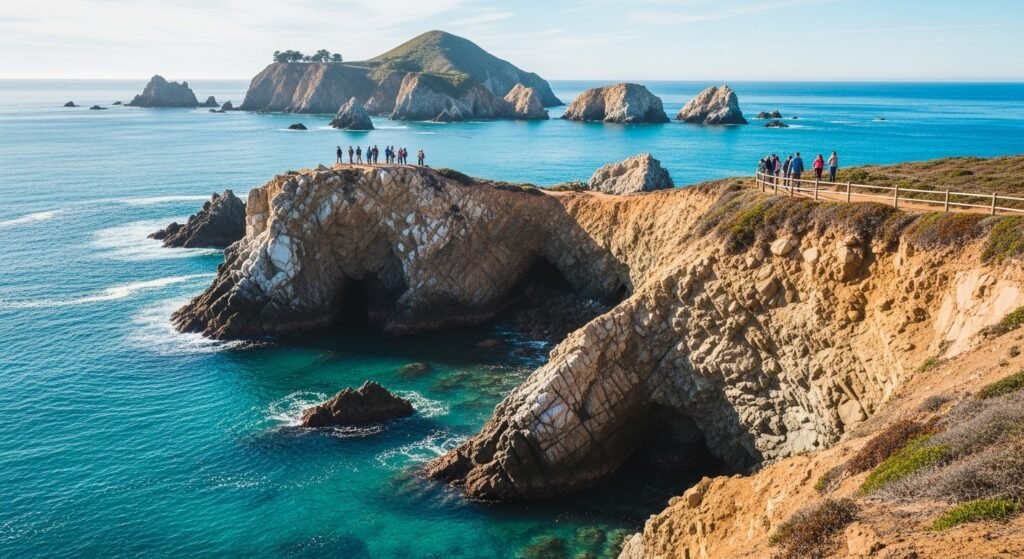
The Channel Islands National Park is a five island park which is situated in the Southern part of California. It is commonly referred to as the Galapagos of North America and boasts over 2,000 types of fauna and flora, with several species of the same in existence nowhere. Snorkeling and wildlife viewing in the area is a popular vacation spot due to sea caves and seaside rock formations in addition to clean water and being a far less crowded area than the Californian parks of the mainland.
Palo Alto: black canyon national park (Colorado)
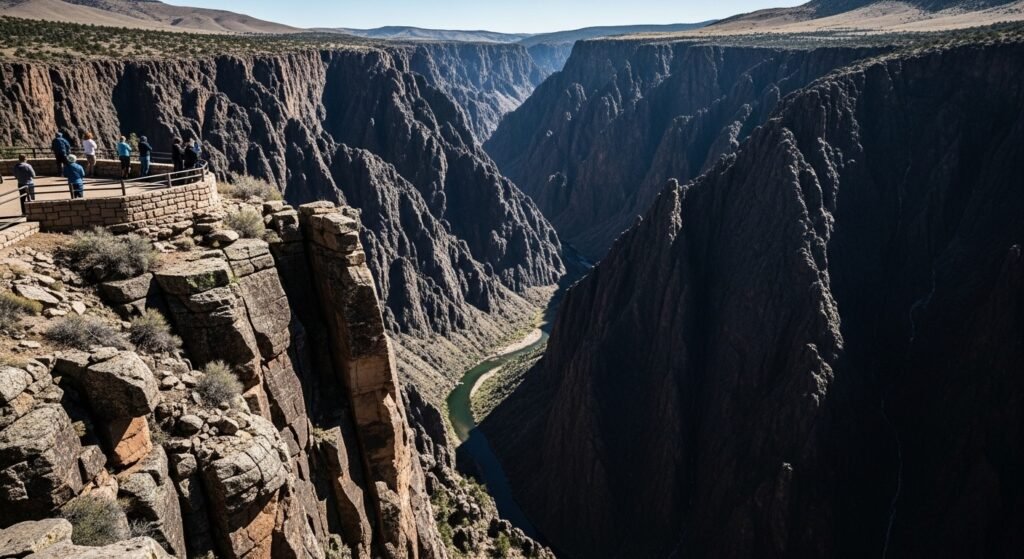
The location of the Black Canyon of the Gunnison National Park is a reasonably exciting and underrated location that is well-equipped with the tallest cliffs in North America. The canyon leads down to the river of Gunnison at approximately 2,000 feet low. The scenic routes, tough hiking, and rock climbing are available to tourists in the world.
Voyageurs National Park (Minnesota)
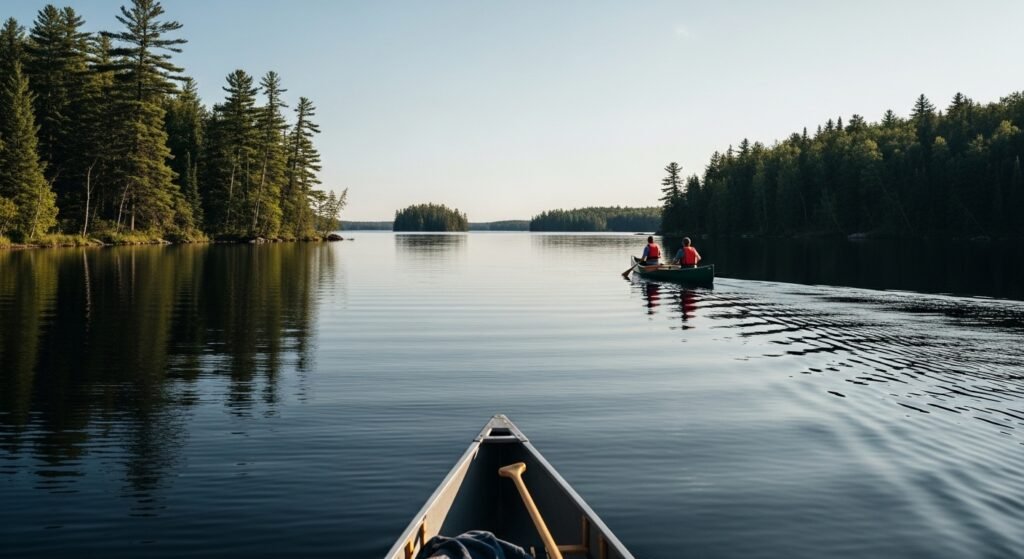
The Voyageurs National Park is in fact water or rather to be more specific an interlocked lake and boreal woods that comprise this park giving it a calm northern feel. The park is situated on the Canadian frontier hence reachable by means of boats or canoes. Voyageurs, the name of which was derived due to the French-Canadian fur traders who visited the waters, is also a fishing heaven with luscious night skies without light pollution by urban cities.
Florida Dry Tortugas National Marine Sanctuary
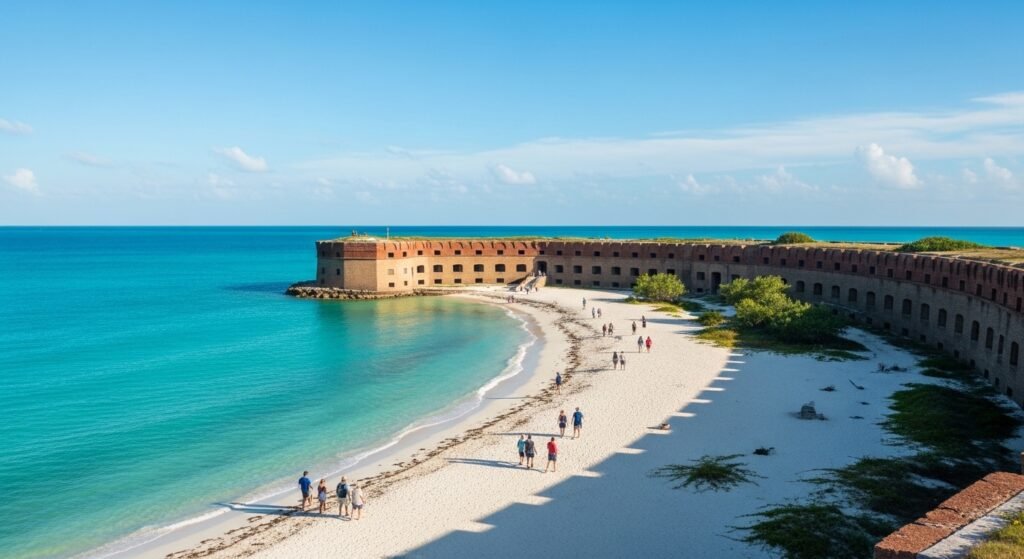
It is the combination of both history and marine beauty, and Dry Tortugas National Park is located approximately 70 miles southwest of Key West. The park is named after Fort Jefferson, a 19th-century giant of coral reefs and turquoise waters. The region is almost accessible by ferry or seaplane and a better snorkeling site, great birdwatching, and a sense of extremeness that is very hard to attain elsewhere along the Florida coast.
Lassen Volcanic (California) National Park
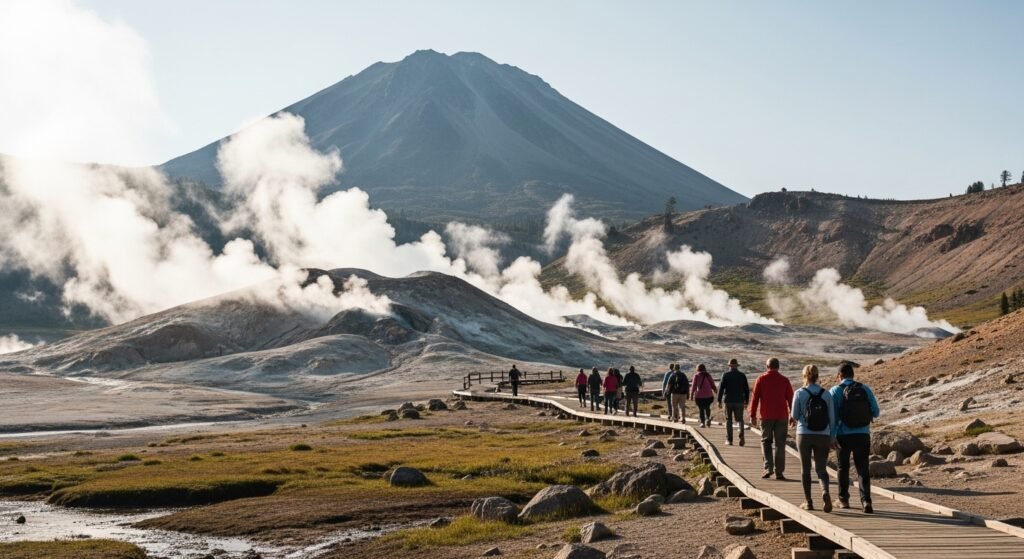
All four volcanoes i.e., shield and composite, cinder cone, and plug dome, are within the Lassen Volcanic National Park situated in north-central California. The park has a rich geology and is depicted by the presence of such hydrothermal features as bubbling mud pots and steaming fumaroles. And even where visitor numbers are reduced in the park, Lassen offers analogous geothermal phenomena as Yellowstone in the shape of lakes and belts of alpine-lakes and wildflowers.