 Tonny Makar
 Nowhere does the past linger quite like it does in beauty trends. Lately, those who color hair for a living or simply style themselves have looked anew at old favorites from former centuries – reworked them today. Platforms where faces show up nonstop, famous figures copying moves, plus a deep longing for retro flair; these pushed vintage head turns forward again. What makes them different now is how gentle, practical, and low-maintenance modern takes feel compared to old ones. Seven classic looks from years ago suddenly fit right into today’s trends.
Finger Waves
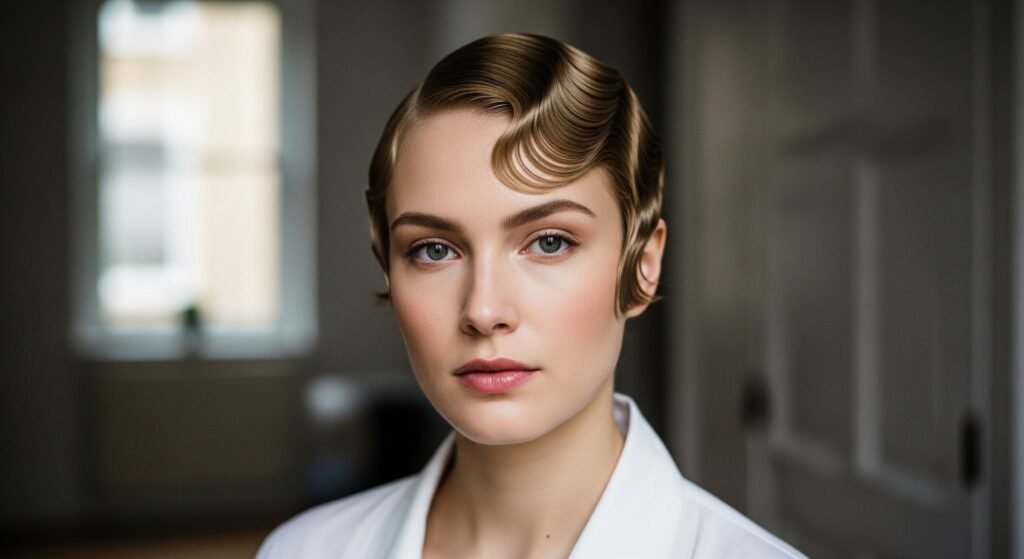
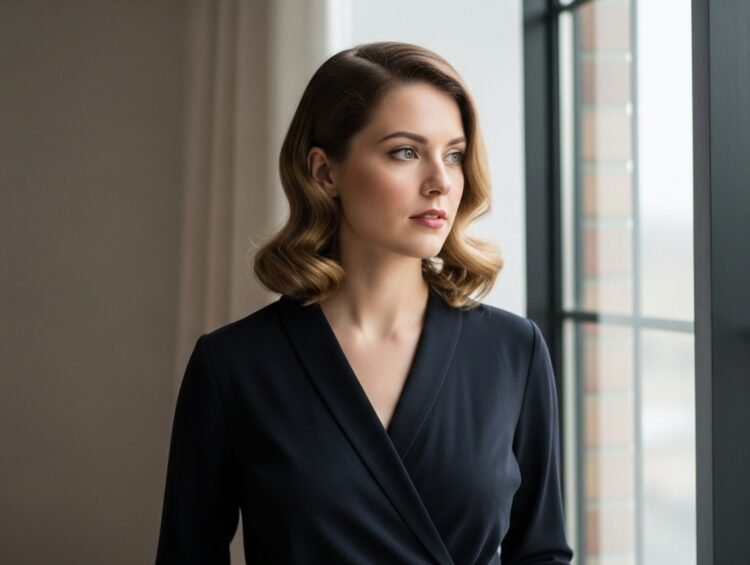
Back in the 1920s, people first noticed finger waves. They form gentle S-curves along the scalp, clean and defined. Famous flappers wore them, along with actors from old movies. Now, here and there, you see them at high-end gatherings – quiet proof of their lasting appeal. Nowadays, beauty experts tend to match these looks with tidy updos or choppy cuts, applying minimal grip gels so hair glows while staying soft. What emerges feels smooth, sophisticated, never quite old.
The Beehive
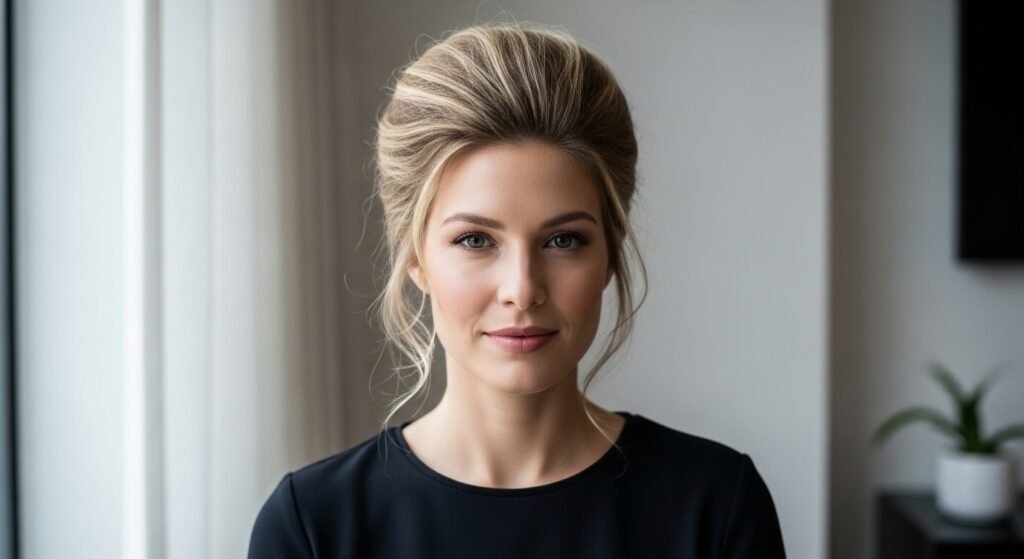
Out front, the beehive ruled the 1960s – tall, bold, built like architecture. Its early life demanded constant teasing, loads of hairspray holding every strand in place. Today’s version breathes easier; curves replace stiffness, shape softens under touch. Not chasing sky-high peaks anymore, helpers shape gentle rise where the head bends naturally. Perfect for events or quiet Sundays, truth is, it fits wherever calm elegance fits.
Curtain Bangs
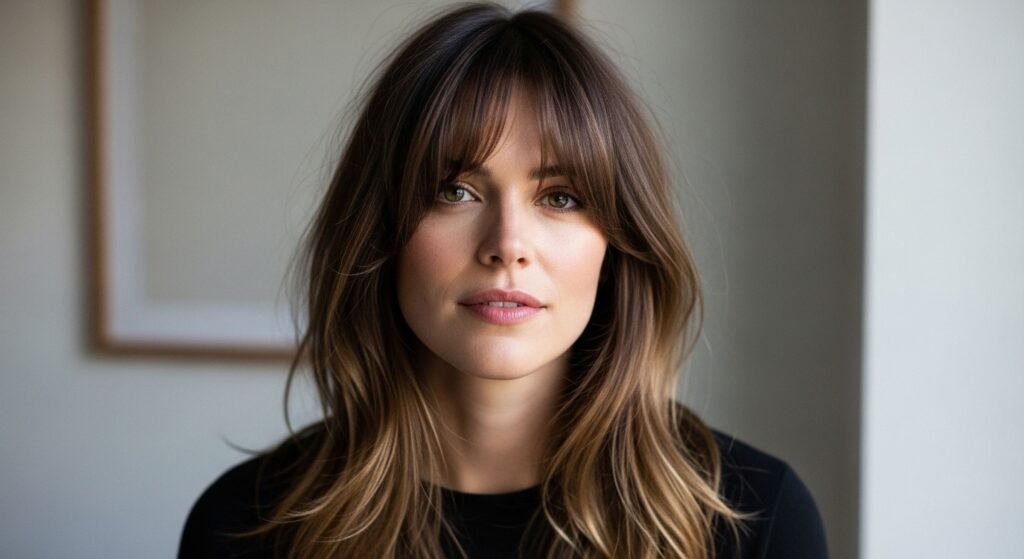
From the relaxed style of the 1970s comes a look now popular behind salon chairs – curtain bangs. Down the center grows a section of hair, gently merging into the sides near the ends. Instead of sharp edges, there’s flow, shape, and space – all with fewer styling hassles compared to straight-cut bangs.
The Shag Cut
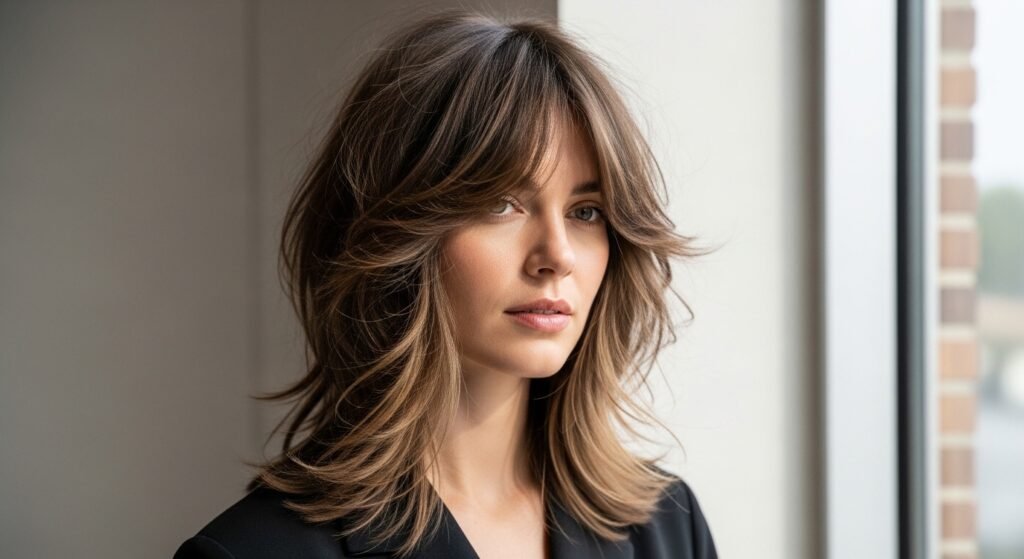
Back then, the shag stood out in the 1970s because of its uneven, piece-y look. Now comes a version that still cuts close to the original – just with quieter methods underneath. Layers stay rough yet refined, guiding light across the head instead of fighting it. This cut flows well whether your tresses are flat, flowing waves, or tight spirals. It lifts hair naturally, no extra fuss needed.
Victory Rolls
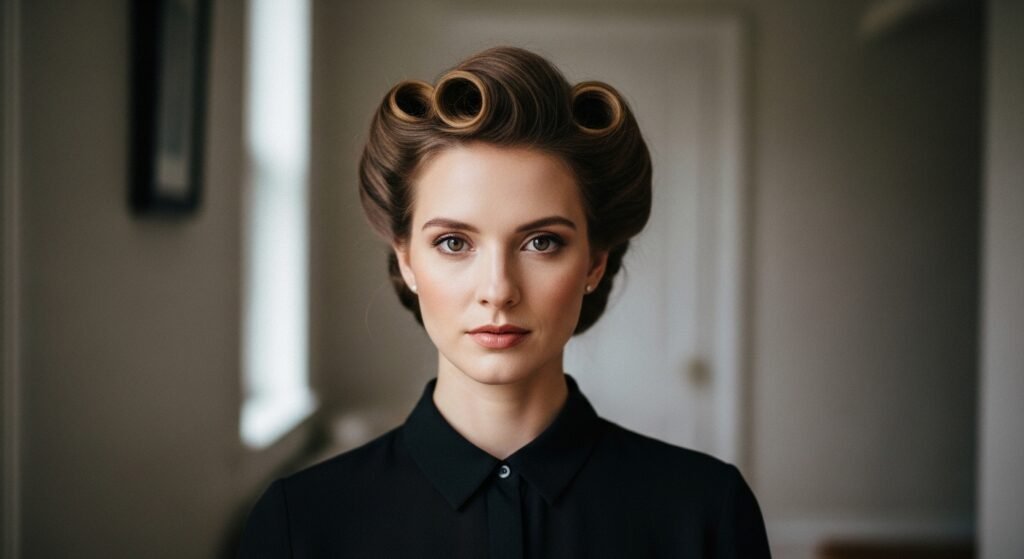
From the 1940s comes a look of sleek pride – victory rolls stack bits of hair up, secured close to the cheek. Strong and elegant, you usually see it mixed with loose waves or a section lifted high, giving a softer nod to the past.
The Blunt Bob
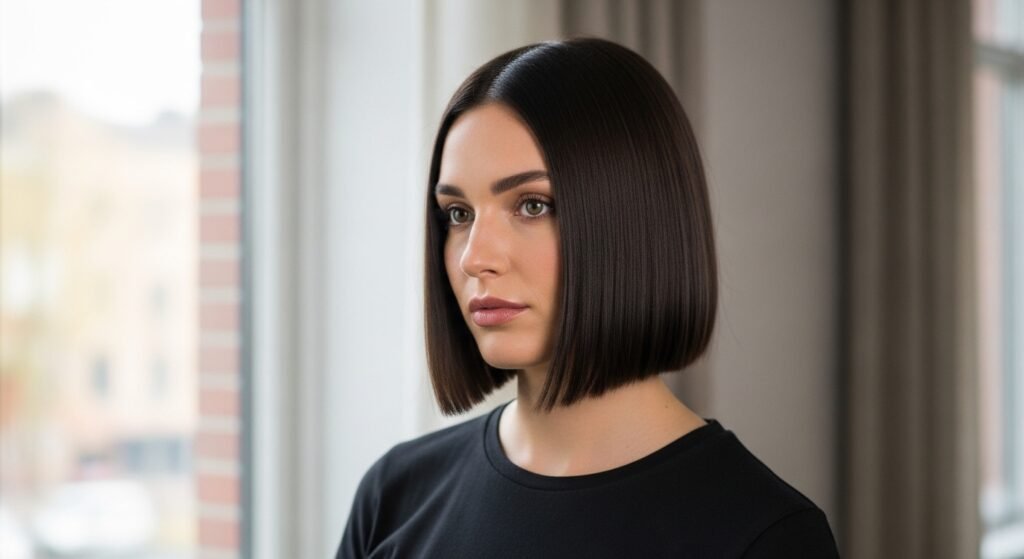
From the 1920s came the start of the blunt bob, which then quietly returned in the 1990s. A straight edge across the head brings forth a crisp, modern feel. Ends might carry light texture now, allowing for natural motion without losing definition. This shape still holds tight to its original clean lines.
Voluminous Blowout
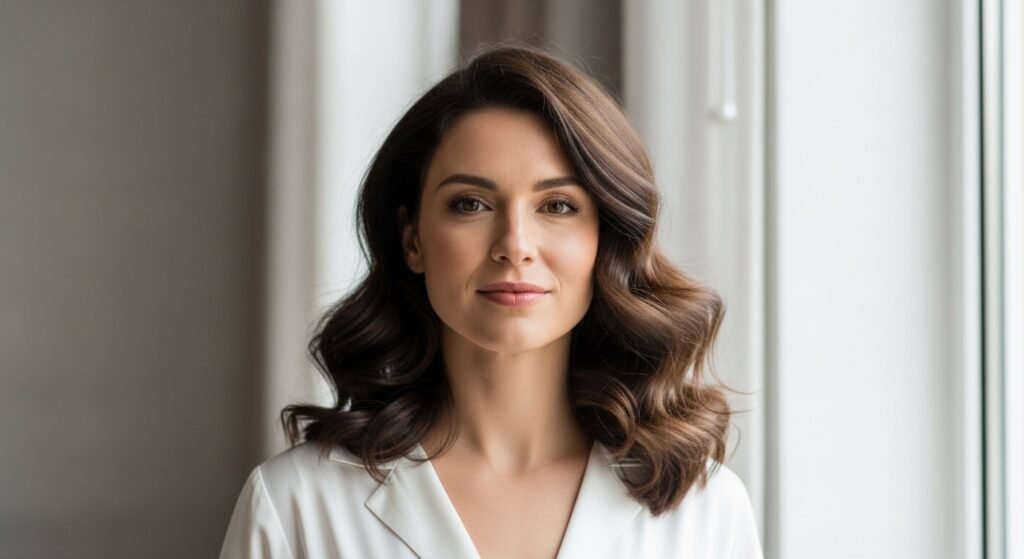
Out comes the big, bouncy style – just like the eighties and nineties – now moving strongly forward. Towering roots meet even textures, ending in shiny ringslets that catch the light. Today’s tools handle volume and motion without fuss, helping results come faster than before.