 Maddy Kaur
 The global beauty landscape is undergoing a massive shift as the “Middle East Aesthetic” overtakes K-Beauty as the dominant trend and the Middle Eastern influence establishes high-glamour looks which showcase sculpted facial features and deliver makeup products that last throughout the day. The shift from natural beauty to makeup shows that people now prefer to express themselves through bold and deliberate makeup choices.
The Rise of “Sculpted” Glamour
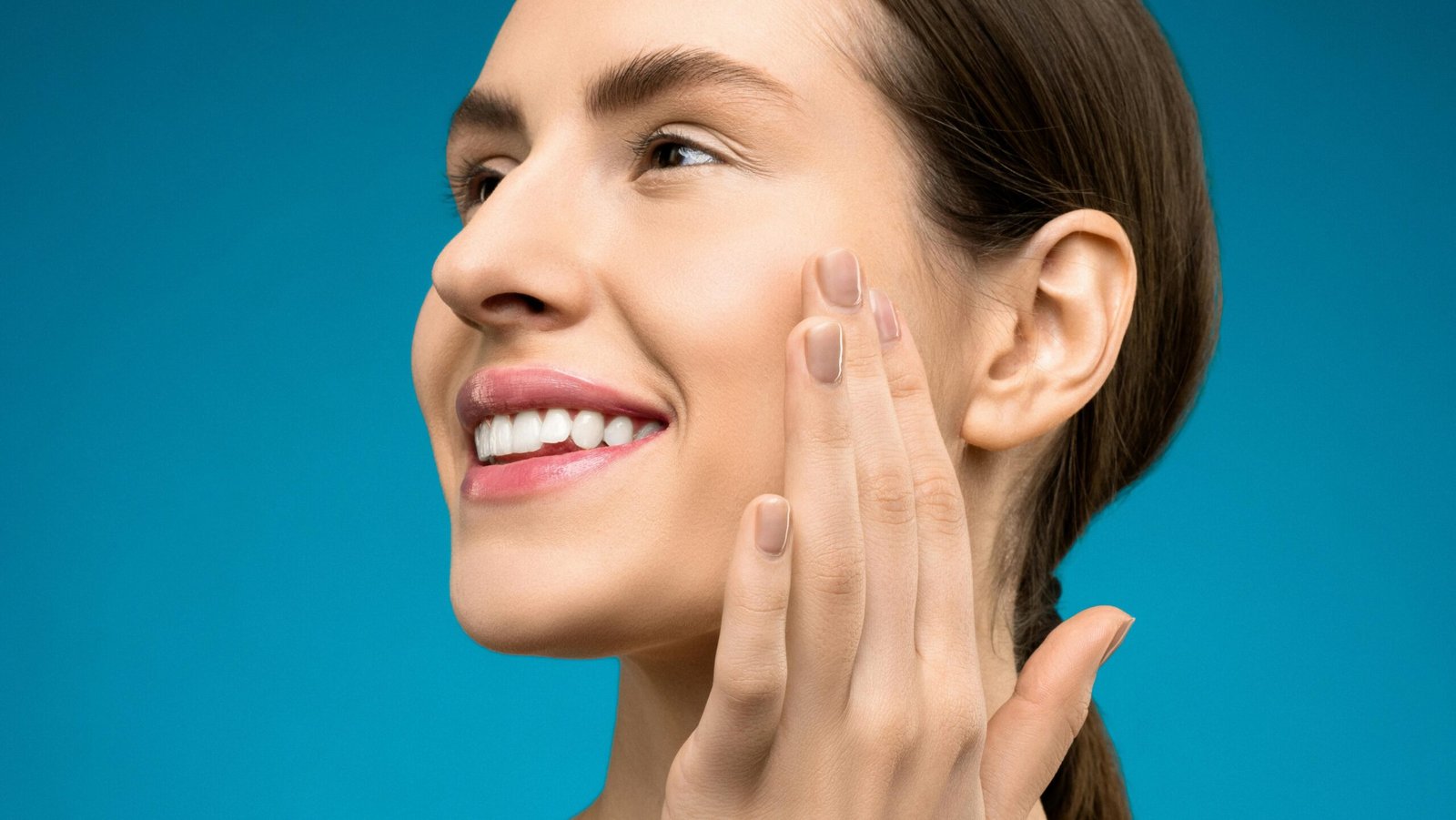
The Middle Eastern aesthetic establishes specific contouring requirements which produce sharp facial features and distinct facial features unlike the K-Beauty style which uses soft blurred lines. People now prefer “snatched” jawlines and perfectly arched brows which have become global beauty trends that replace the “straight brow” look which had been popular in Korea for many years.
The “Halal” Beauty Boom
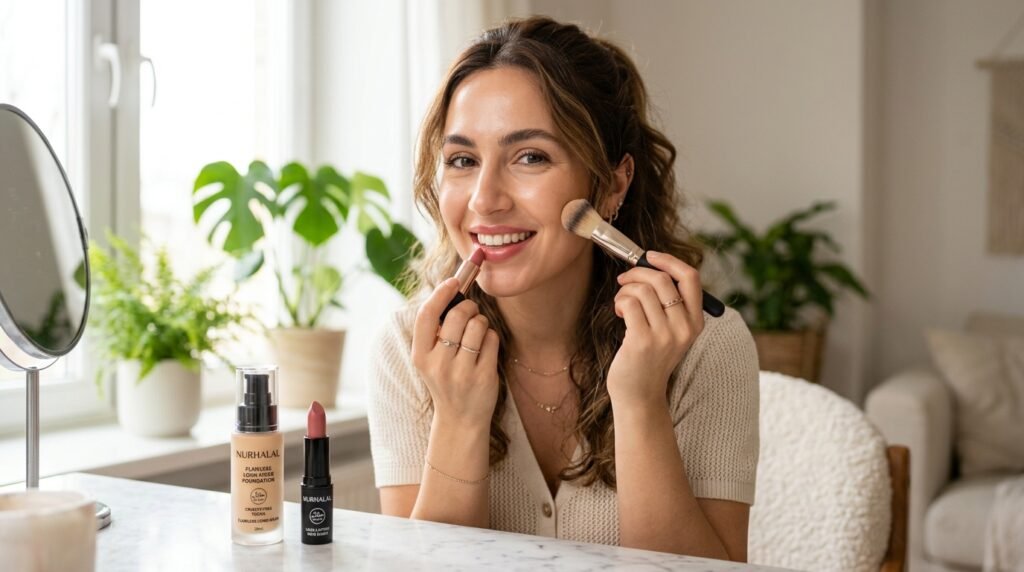
Halal-certified products which contain neither alcohol nor animal-based components are now favored by consumers who show increasing awareness of product ingredients. The ethical and religious makeup standards which guide Amara Cosmetics growth allow their products to deliver outstanding performance in the international market.
Focus on “Long-Wear” Performance
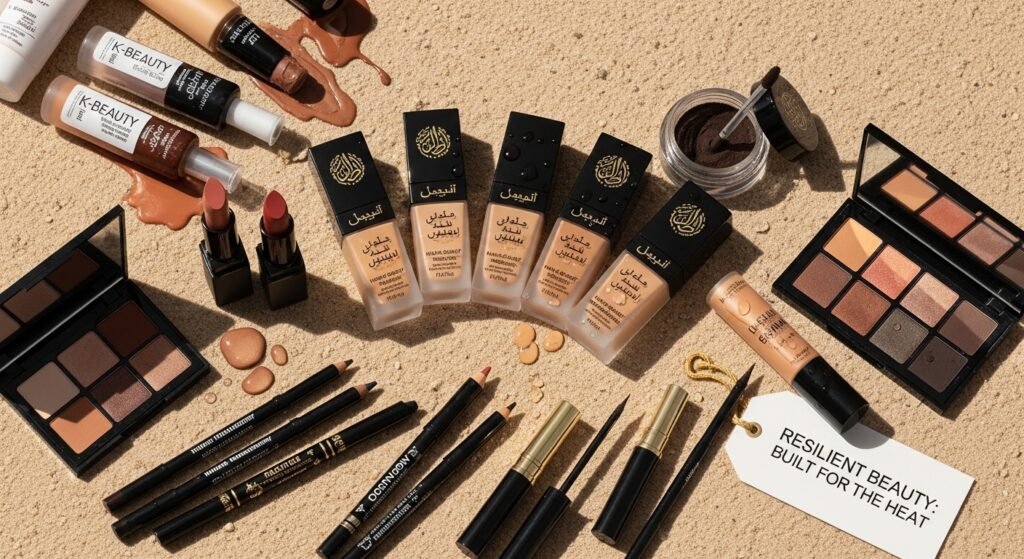
Middle Eastern beauty products maintain their effectiveness in extreme hot weather conditions and high humidity. Consumers select heavy-duty waterproof foundations and smudge-proof eyeliners instead of K-Beauty products which create a dewy effect because K-Beauty products tend to disappear from the skin during hot weather and extended work periods.
The Return of the “Power Eye”
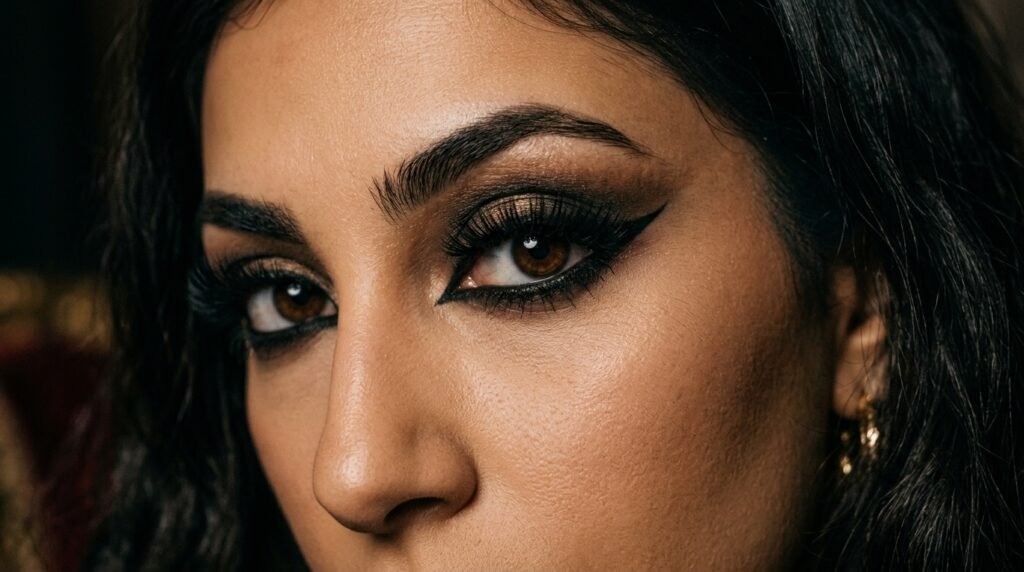
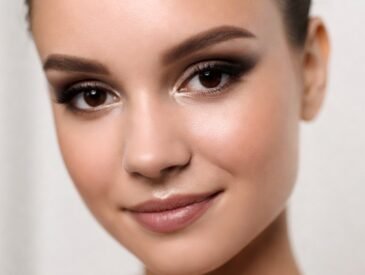
The Middle East introduced bold “Oud-inspired” smoky eye makeup together with thick winged eyeliner to replace K-Beauty’s preference for light peach eye shadow. The main red carpet events have turned into platforms for the new makeup trend which showcases dramatic Kohl paired with highly visible pigments instead of the subtle “puppy liner” appearance.
Lip Fillers and “Defined” Pouts
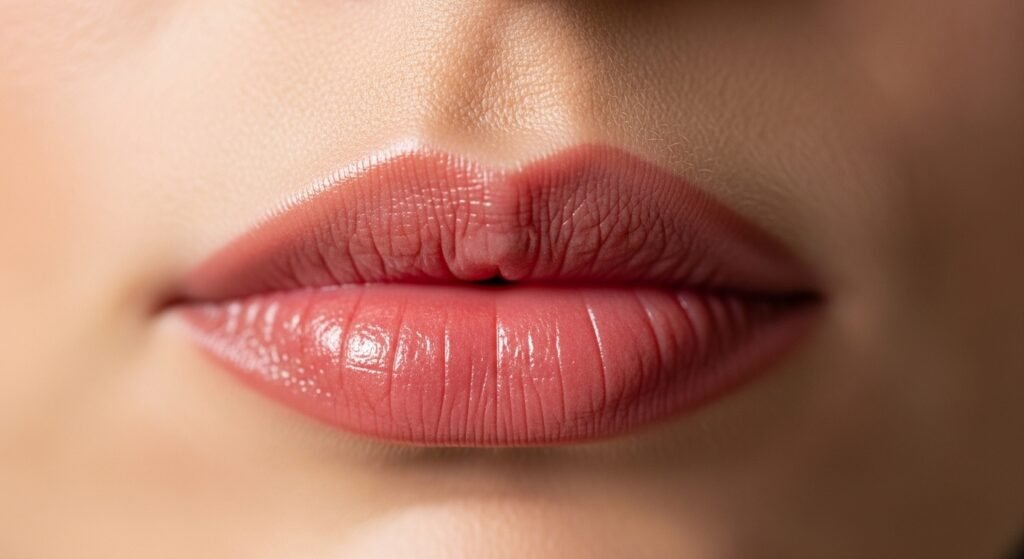
The trend has progressed from K-Beauty’s “gradient lips” which showed lighter edges to create full matte lips with complete lip line definition. The practice of over-lining has become popular among Dubai and Riyadh influencers which has resulted in a significant increase in sales for permanent lip kits and matte liquid lipsticks.
Fragrance Layering (Attars and Ouds)
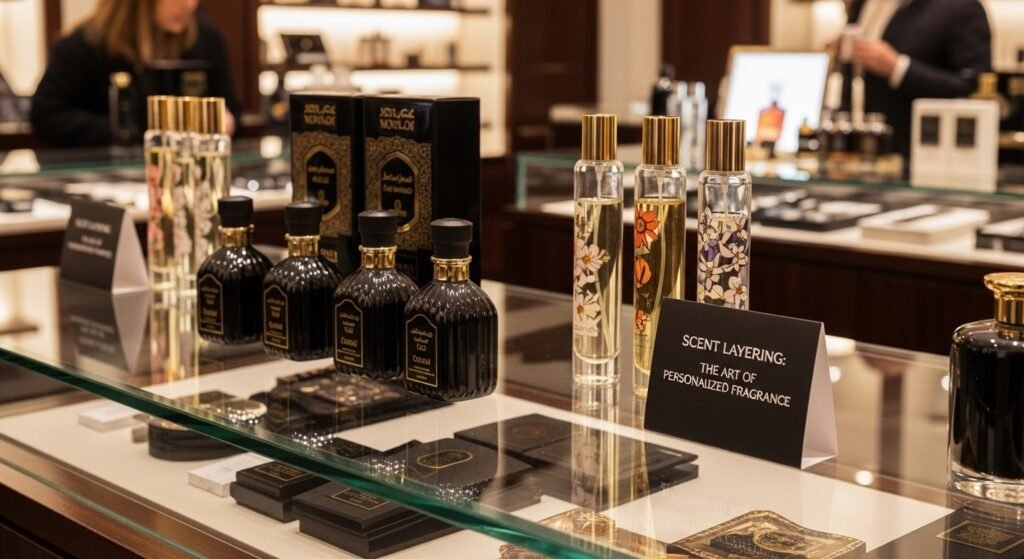
The Middle East introduced “scent layering” to the worldwide fragrance market. The practice of wearing multiple perfumes has evolved into a trend where people apply heavy Oud oils in combination with lighter floral sprays. The “expensive-smelling” fragrance style has become a standard in luxury boutiques which exist throughout the world.
The “Rich Girl” Skin Glow
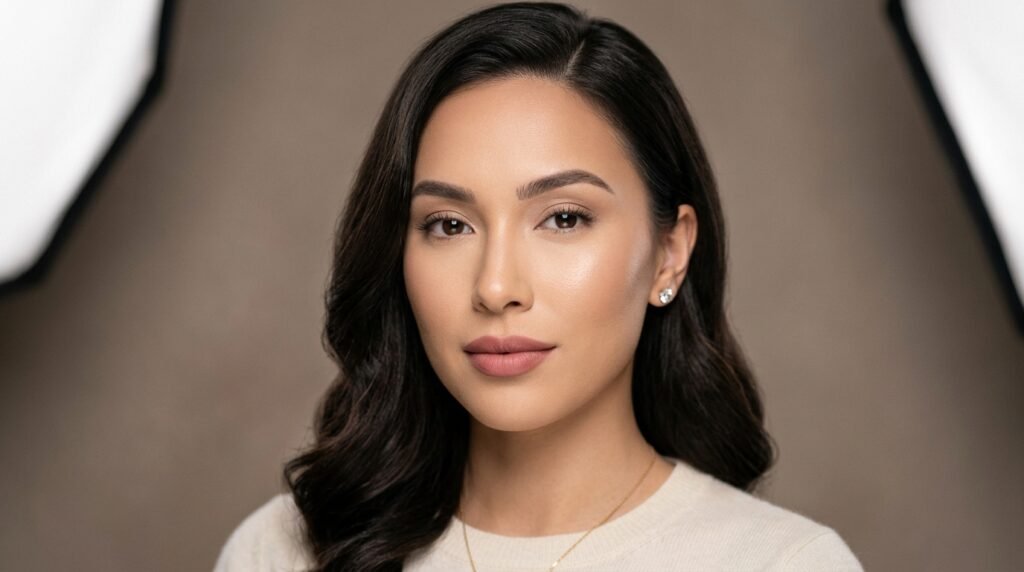
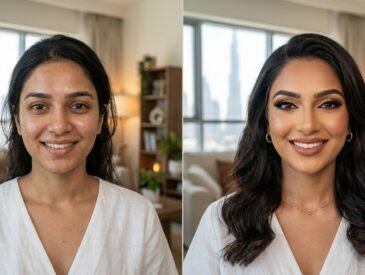
The Middle East aesthetic uses “velvet” skin in contrast to K-Beauty which maintains “wet” skin. The design focuses on creating a flawless airbrushed appearance which gives an impression of high-value polished appearance. The use of high-coverage concealers combined with finely milled setting powders produces a professional filtered look.
Luxury Packaging as Status
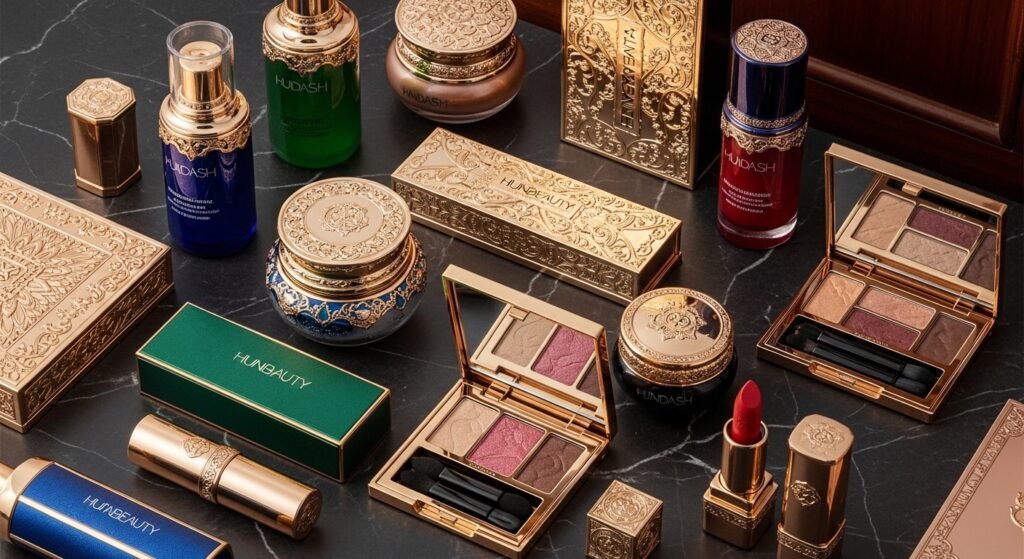
K-Beauty products traditionally selected “cute” or minimalist packaging styles. In 2026, consumers want luxury. The heavy gold-trimmed artistic packaging design of Huda Beauty and Hindash creates a jewelry-like effect which matches the current “quiet luxury” trend.
Inclusivity in Every Shade
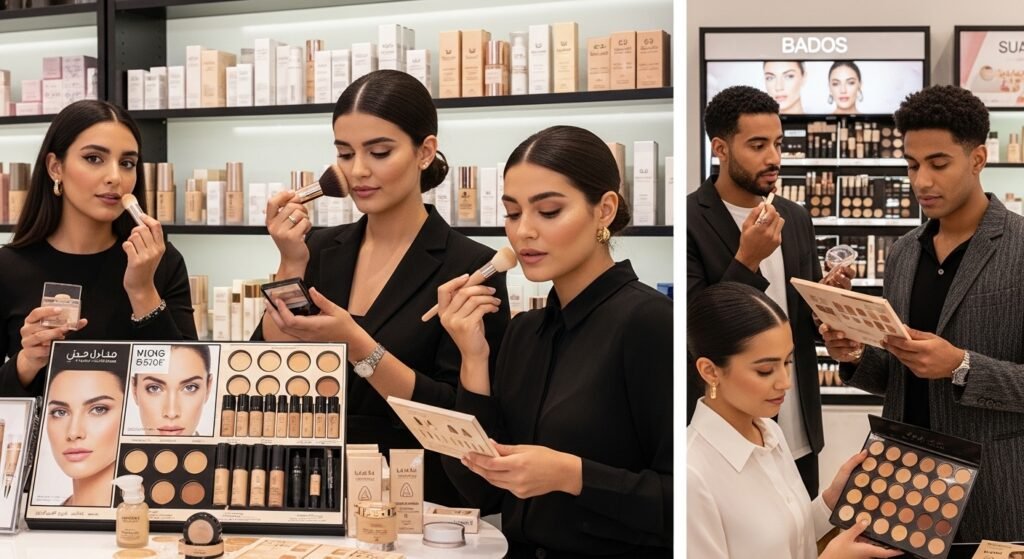
Middle Eastern brands developed deep pigment materials which enable people with various skin tones to achieve their desired looks. K-Beauty products had an excessive number of pale shades which people criticized while Middle Eastern products offer high-coverage solutions for olive tanned and deep skin tones.
Modernizing Tradition
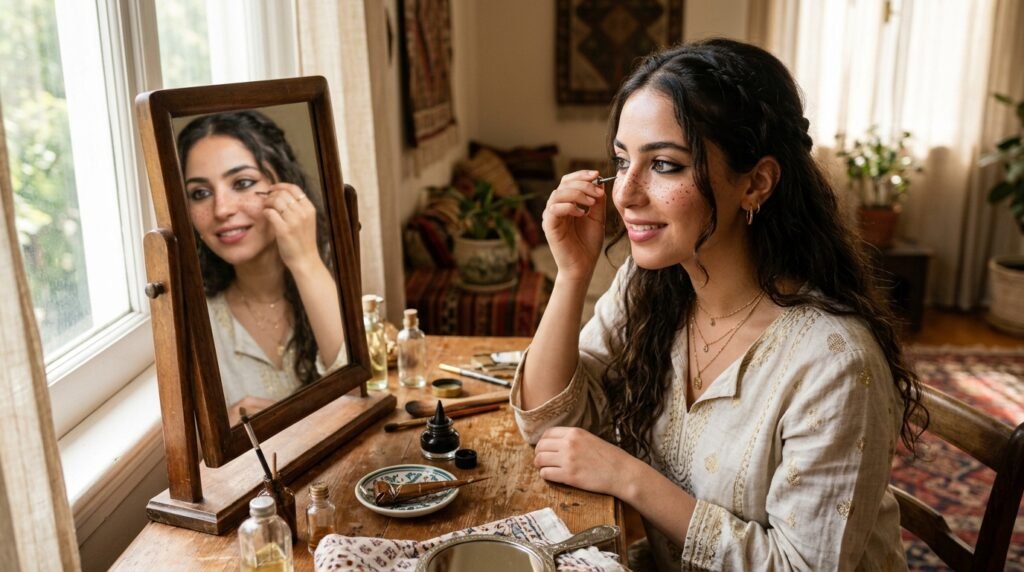
Modern society now rebrands traditional procedures which involve using Henna to create freckles and using Kohl for eye care. The “ancient-turned-modern” hacks establish a historical connection which Gen Z and Millennial shoppers prefer over artificial beauty trends.