 Maddy Kaur
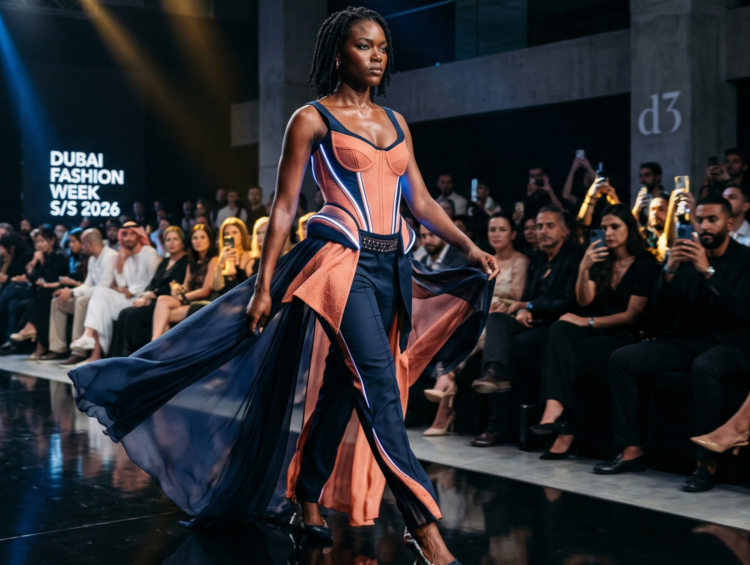
 Dubai Fashion Week Spring/Summer 2026 transformed the Dubai Design District into a global stage where traditional craftsmanship met futuristic technology and this event demonstrated a new trend which introduced practical luxury products that serve actual daily situations instead of showing exclusive designs on the runway. The week presented fashion designers with two clear directions to follow which included advanced “smart” fabrics and a return to their local fashion origins.
The Rise of the “Power Corsetquot;
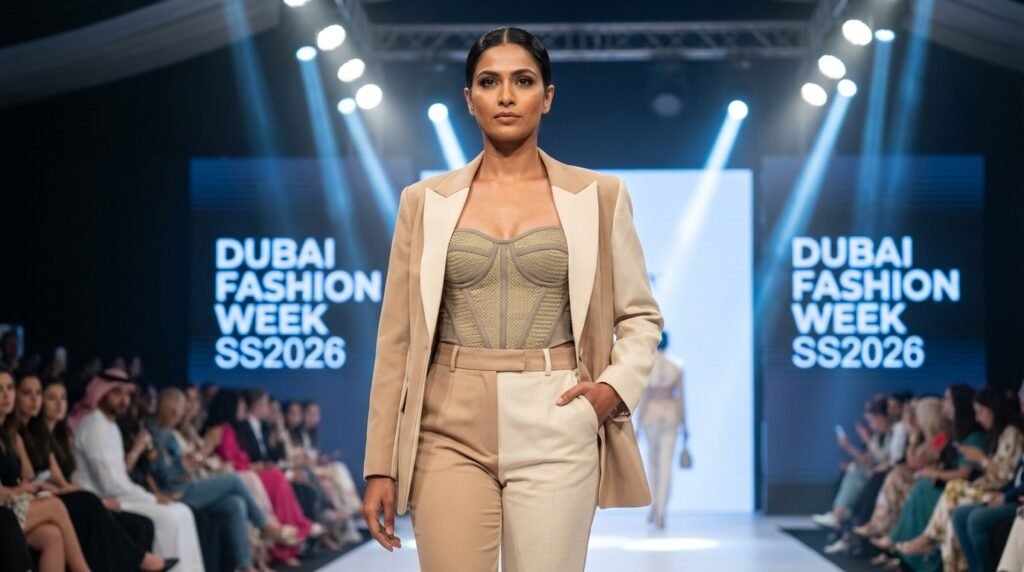
The traditional corset has been reimagined as a modern wardrobe staple rather than a restrictive undergarment and structured bodices from Krèsha Bajaj’s collections are being worn with regular trousers and skirts to achieve a professional “boss-like” appearance.
Wearable Tech and LED Fabrics
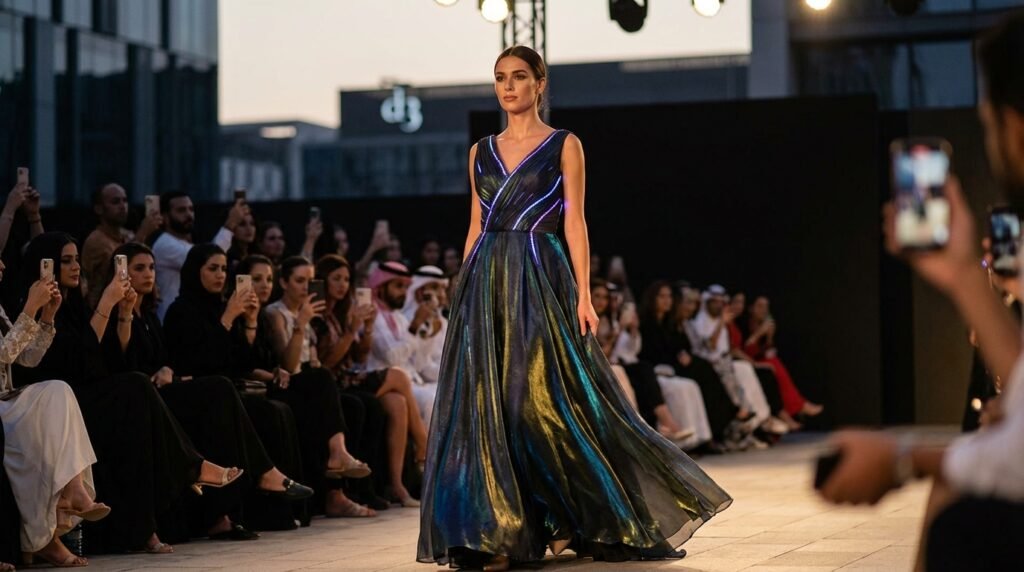
Emaar Couture stole the show with clothes that featured integrated LED lights and fabrics that change color based on the wearer’s movement. This demonstrates that upcoming clothing will combine attractive design with functions which allow it to detect environmental changes and body temperature variations.
Desert Coral and Midnight Navy
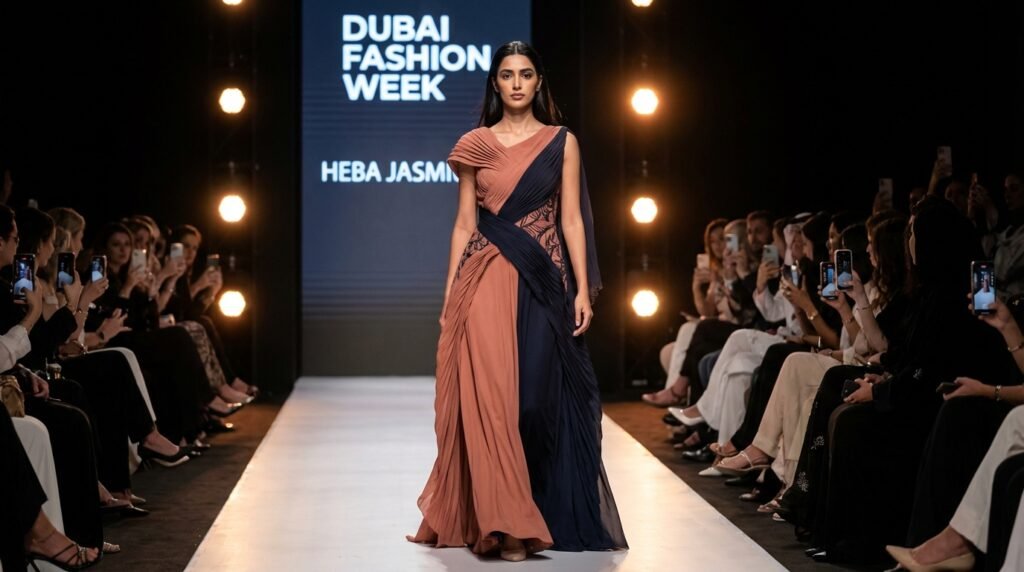
The SS26 season replaces previous summer seasons which featured pastel colors with “Desert Coral” and “Midnight Navy” as its dominant hues and Emirati designer Heba Jasmi used these sophisticated, muted shades to represent the quiet strength of the modern Arab woman, moving away from loud, flashy colors.
Architectural “Climbing” Silhouettes
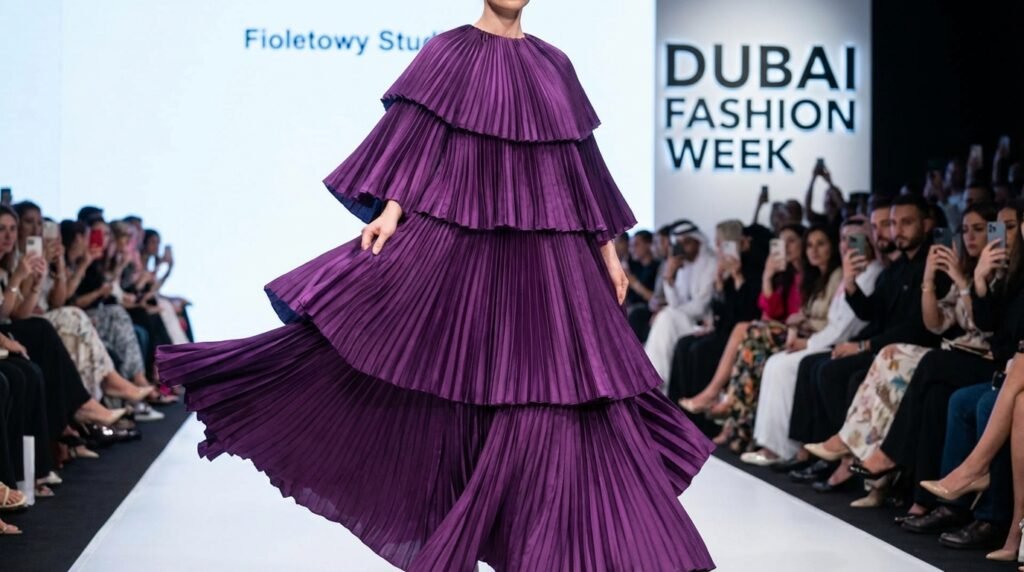
Fioletowy Studio introduced a trend called “Elevation,” which uses layered silk panels to create designs that mimic the appearance of staircases. The architectural design of clothing creates a three-dimensional visual effect which alters as the wearer walks, producing dynamic motion effects for all dress designs.
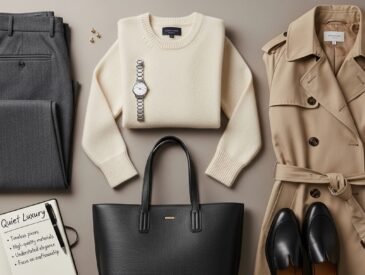
Quiet Luxury Minimalism
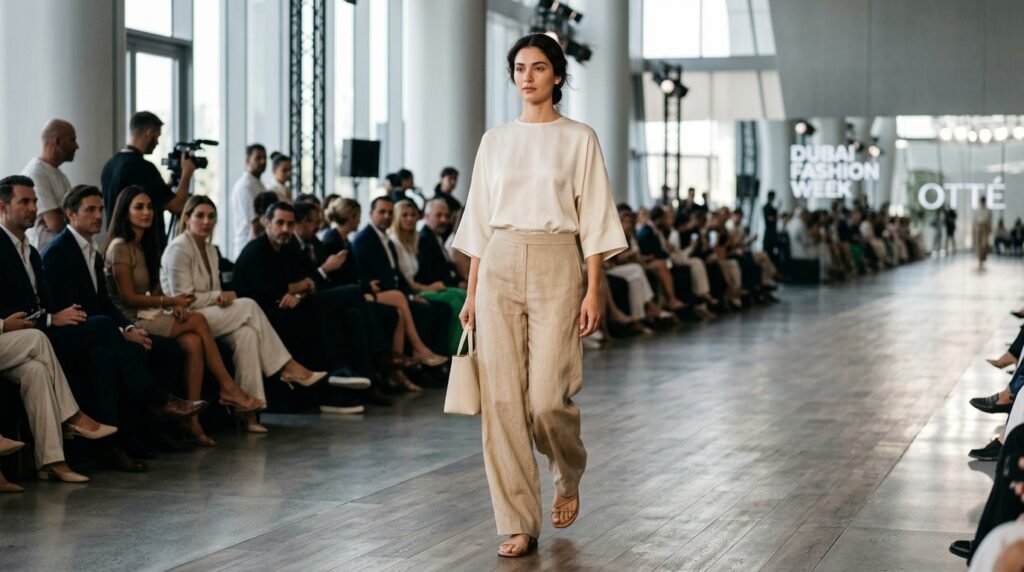
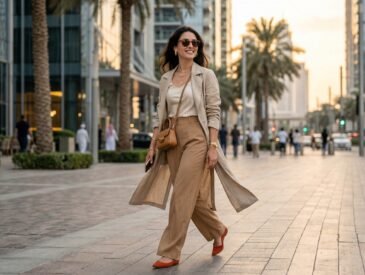
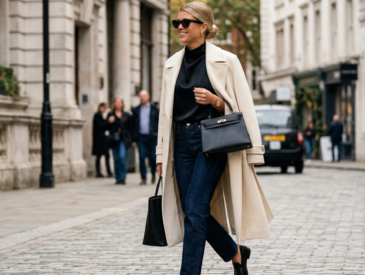
The brand Otté championed “quiet luxury” with clean, relaxed shapes made from high-end silks and linens and the takeaway for homeowners and professionals is a move toward a “less is more” wardrobe that focuses on fabric quality and timeless neutrals like sand and cream.
Multicultural “East-West” Streetwear
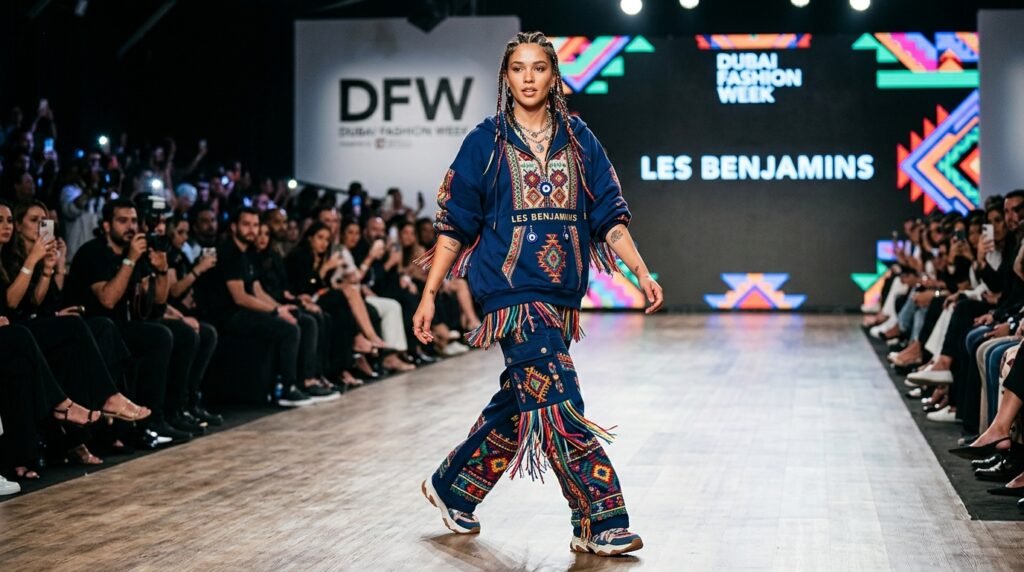
Les Benjamins blended Turkish heritage with Mexican influences, using fringes and geometric motifs. The contemporary streetwear style now incorporates artisanal techniques which use traditional embroidery and “raw” designs with modern baggy shapes.
Celestial and Cosmic Textures
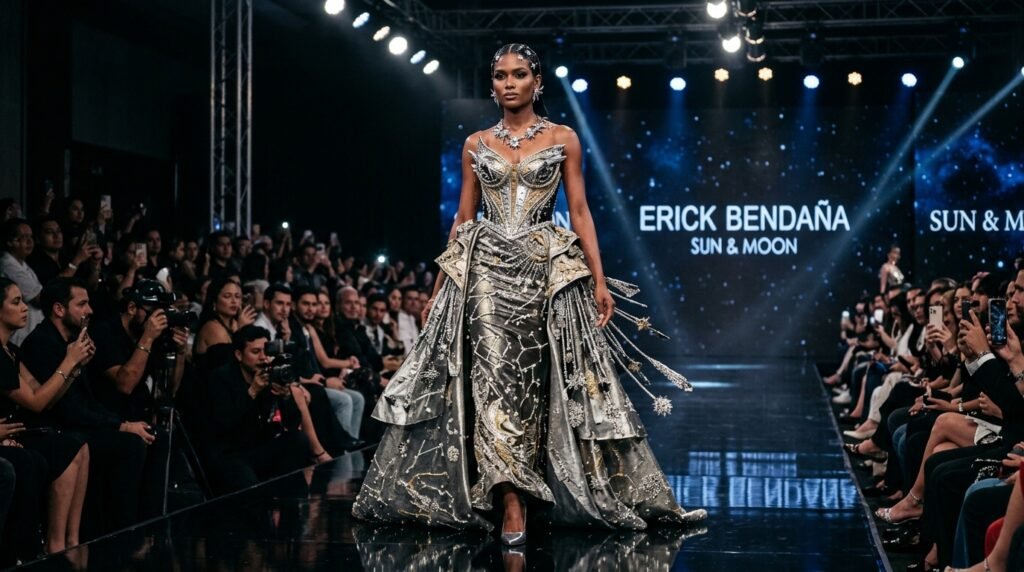
The “Sun and Moon” collection by Erick Bendaña used metallic silver and gold to create star and constellation designs and the trend uses 3D-printed bioplastics and meteor-inspired jewelry to create an otherworldly appearance which combines futuristic elements with space-age aesthetics.
Body-Positive Fluidity
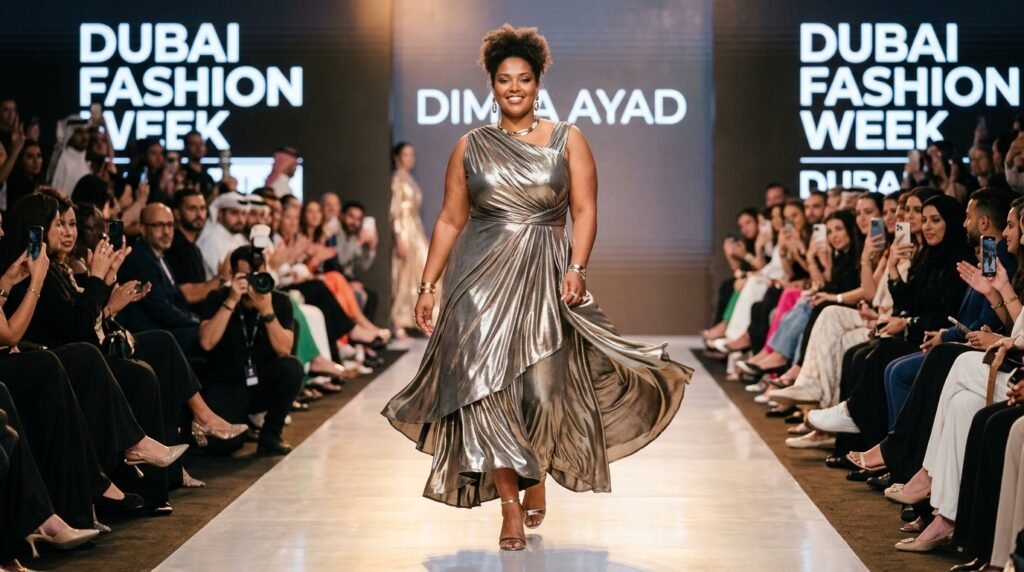
The theme of inclusivity appeared in Dima Ayad’s designs which use metallic fabrics to create fluid draping styles that suit every body shape. The designers created stretchy but luxurious fabrics which enabled confidence without limitation because they allowed wearers to move freely.
Sustainable “Slow” Craftsmanship
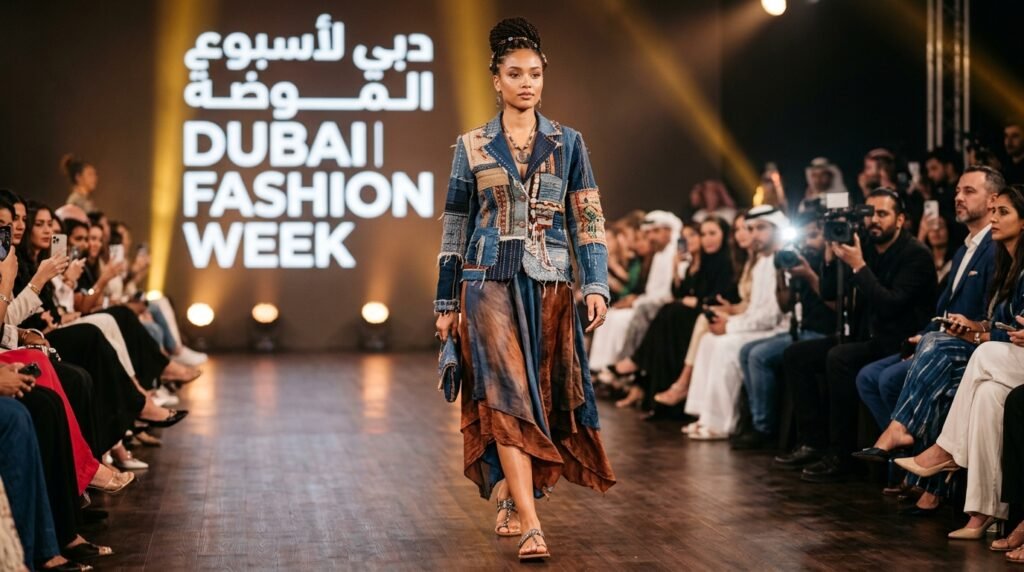
The fashion industry used upcycled materials together with sustainable silk fabrics to create limited edition collections. The fashion industry encourages customers to purchase fewer items by promoting “slow fashion” which emphasizes the value of handcrafted products over mass-produced goods.
The “Modern Nomad” Utilitarian Look
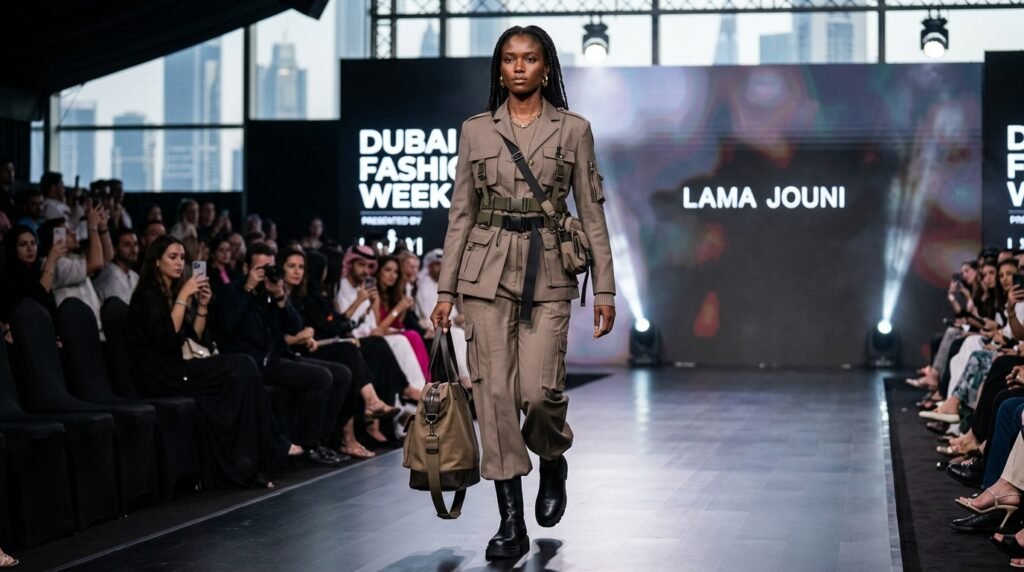
Lama Jouni designed women’s clothing which combined utilitarian elements through pockets and belts with strong tailing. The design combines streetwear elements with elegant fashion to show that high-fashion designs can work as practical clothing for remote work.
Statement “Elevation” Headgear
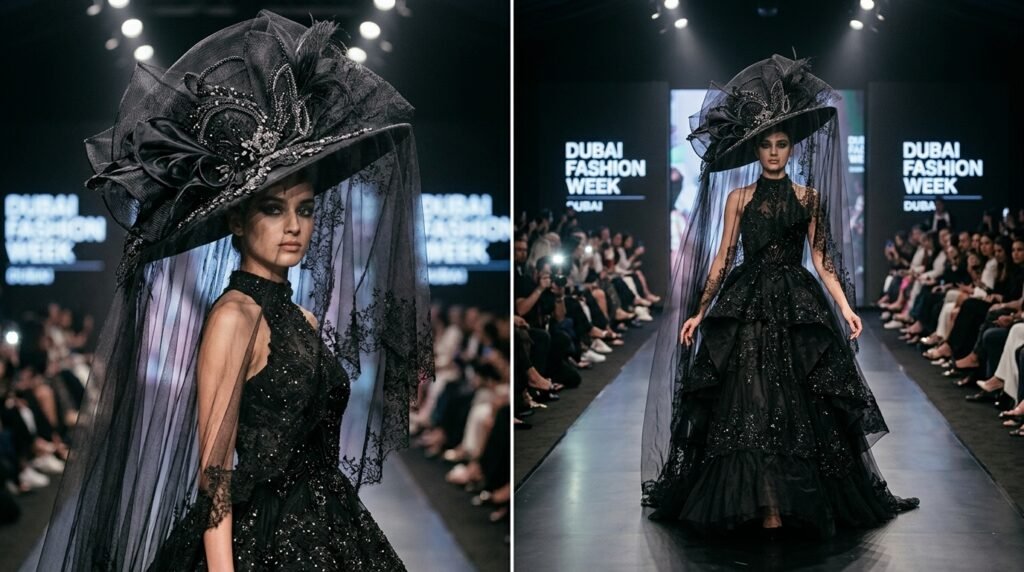
The fashion world experienced a significant resurgence of oversized hats combined with dramatic veils. The pieces function both as wedding attire and as elements which can enhance evening dresses through their high dramatic effect and secretive design.