
 Maddy Kaur
 Dubai is a city of dazzling skyscrapers, luxury lifestyles, and futuristic innovation, but beneath the glamour lies a set of laws that can surprise even the most seasoned traveler. While many rules are designed to preserve order, respect, and cultural values, some may feel downright bizarre to outsiders. From swearing on WhatsApp to fines for dirty cars, these regulations can catch tourists and residents off guard if they’re not careful.
Swearing on WhatsApp

Any use of the F-word is a crime in the UAE, and swearing in a public place is entirely forbidden, as it is an insult to the honor or the modesty of an individual, and therefore prescribed by Article 373 of the UAE Penal Code. Swearing is subject to imprisonment of up to one year and a fine of up to 10,000 dirhams.
Checking someone’s phone

The UAE does not allow invading the privacy of another individual through computer networks or social media. This can lead to a minimum six-month jail sentence and a fine of between 100,000 and 500,000 dirhams. In 2016, a woman in Ajman was accused of violating the privacy of her husband after she transferred photos of her husband to her phone via WhatsApp. The woman was deported as well as fined 150,000 dirhams.
Consumption or drinking on transport.

No one is allowed to eat or drink in any type of transport or at their stations, whether it is a metro, bus, or pedestrian crossing. Being caught it will cost you 100 dirhams.
Transporting Foods with Poppy Seeds

The poppy seeds contain opium, and they are an illegal substance in the UAE. Being caught with poppy seeds is a crime with a heavy penalty and leads to a jail term.
Fundraising

Collection of funds towards charitable causes that are close to your heart is a sensitive business in the UAE. The publicizing of the fundraiser and seeking donations with the approval of the Islamic Affairs and Charitable Activities Department (IACAD) is a breach of the charity laws of the UAE. This can lead to imprisonment, fines of between 250,000 and 500,000 dirhams, and even deportation.
Using a VPN

According to the laws of cybercrime in the UAE, VPN users may receive fines between half a million and two million dirhams in case they are using a false IP address or that of a third party by any other means with the intention to commit a crime and avoid its detection.
Having a dirty car

Due to the frequent sandstorms in the UAE, one would be excused for having a dusty car. Nevertheless, the image of the city and the health of people are observed to be being disfigured by dirty cars. Consequently, they are habitually towed off, and the owners are fined, and impound fees are levied at 3,000 dirhams.
Washing your car

Whereas failing to wash your car can put you in a lot of trouble, so does washing your car in a wrong way. You are not allowed to wash your car in residential places or even hire laborers to wash your car. Rather, you are required to drive your vehicle to clean areas, e.g., those in petrol stations and car parks of shopping centers.
Taking Photos of People Without Their Permission

This is a serious offense that has fooled a lot of people in the past. The UAE is quite rigid in terms of keeping the privacy of people, and capturing a photograph of a person without their consent or knowledge is highly punishable. This is even worse when you share these pictures on social networking sites.
Sharing Accident Pictures on the Road or in the Air
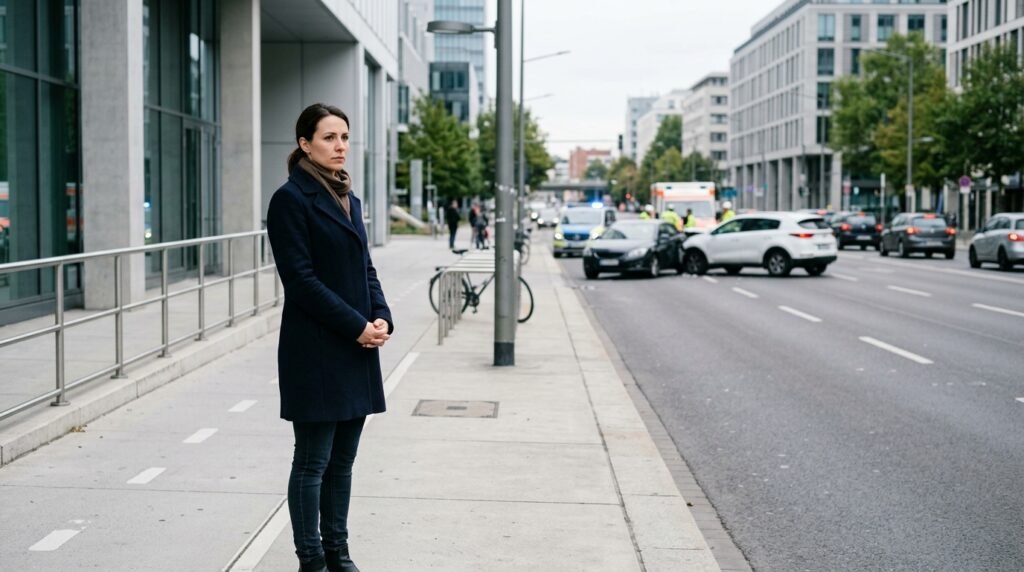
Generally, taking pictures is a risky business in the UAE. In addition to a ban on photographing military structures and palaces, you are also forbidden to capture any photographs of road accidents that you pass on your travels. This will cost you 50,000 to 3 million dirhams and put you at the risk of deportation.
Rumor Making and Rumor Spreading

Perhaps the most clouded crime on this list, anything that can be viewed as a rumor is subject to punishment under the UAE law. Fine of up to 1 million dirhams and a three-year jail sentence due to gossiping, particularly on social media. The UAE has strict regulations on online news dissemination to target those who threaten social peace, public order, and national security.